Introduction
Remote work has become the new normal, but managing distributed teams comes with unique challenges. Without the right tools, communication gaps, missed deadlines, and lack of visibility can derail productivity. That’s where Real-Time Dashboards come in. By combining clarity, automation, and collaboration, they transform remote work from chaotic to seamless.
Why Real-Time Dashboards Matter for Remote Teams
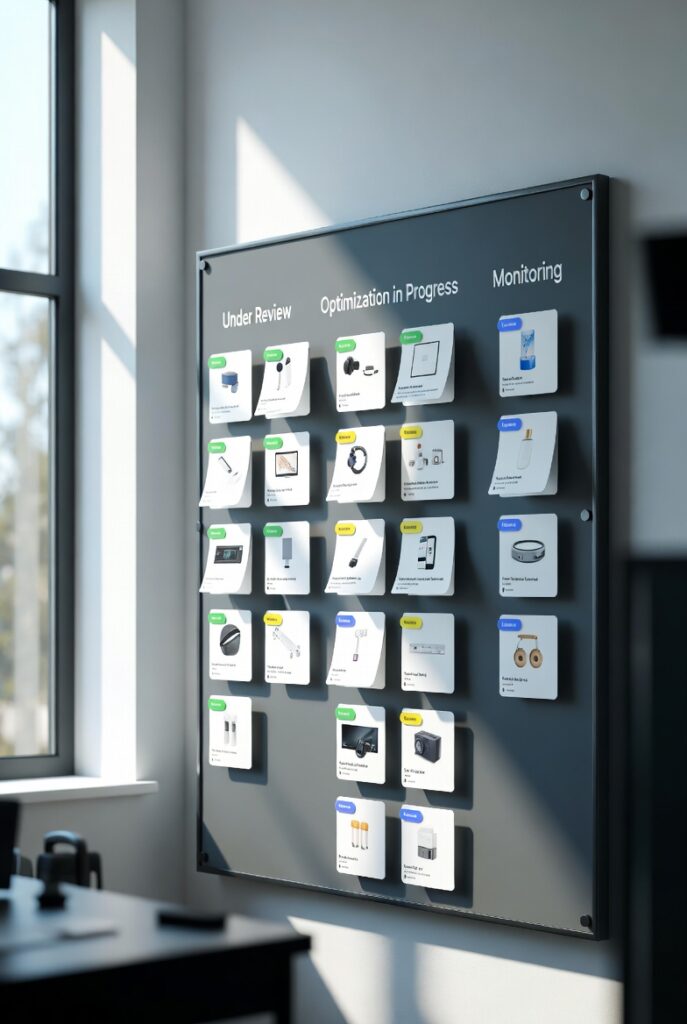
Remote teams often face difficulties in aligning tasks and priorities. Because members work across different time zones, visibility becomes critical. These dashboards ensure that everyone sees the same information instantly, reducing confusion and improving collaboration. They also provide transparency, allowing managers to track progress and employees to stay accountable, making remote work more structured and effective.
Key Features of Real-Time Dashboards
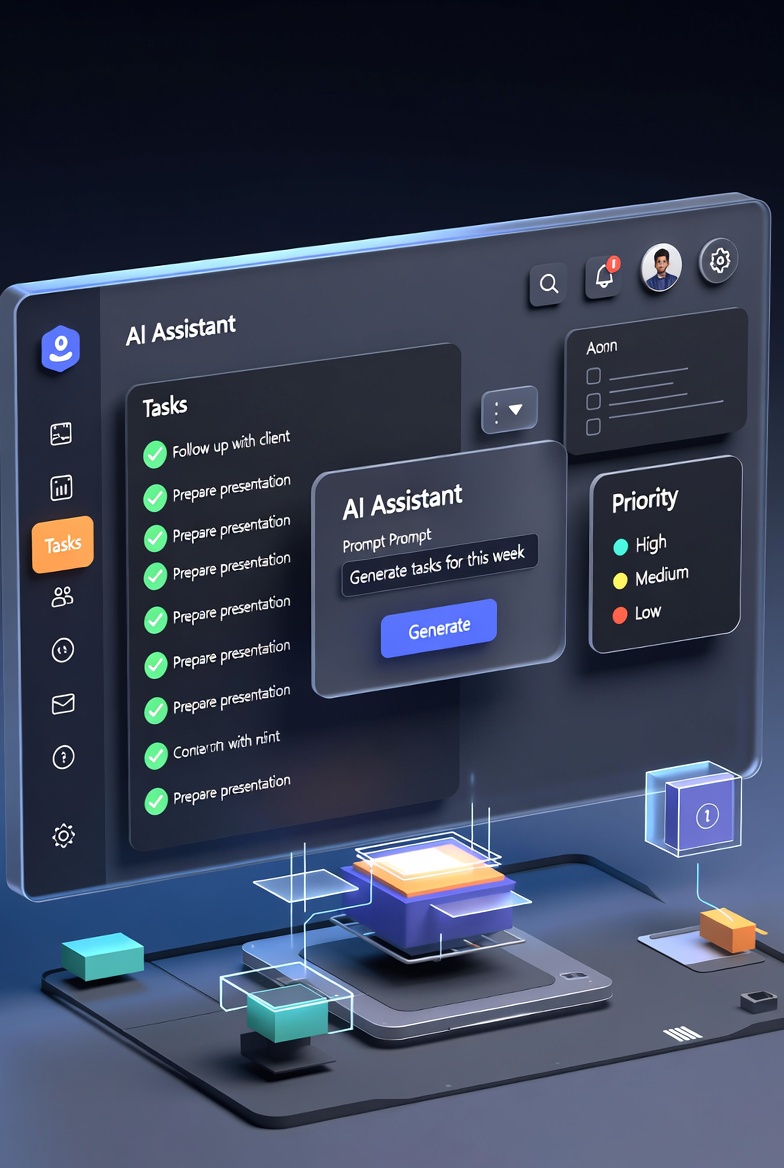
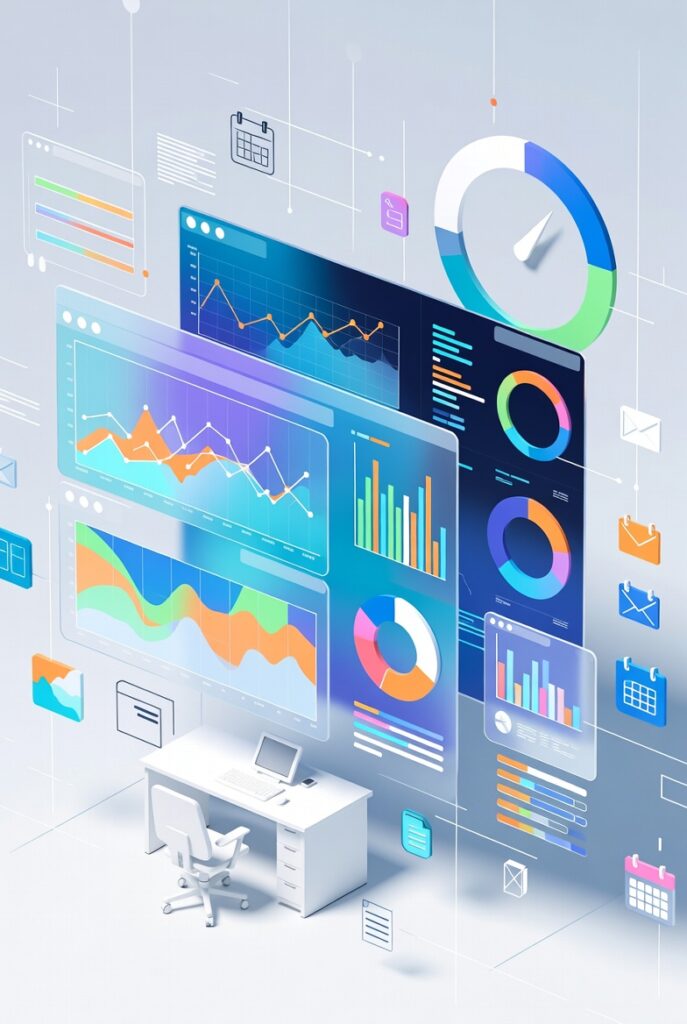
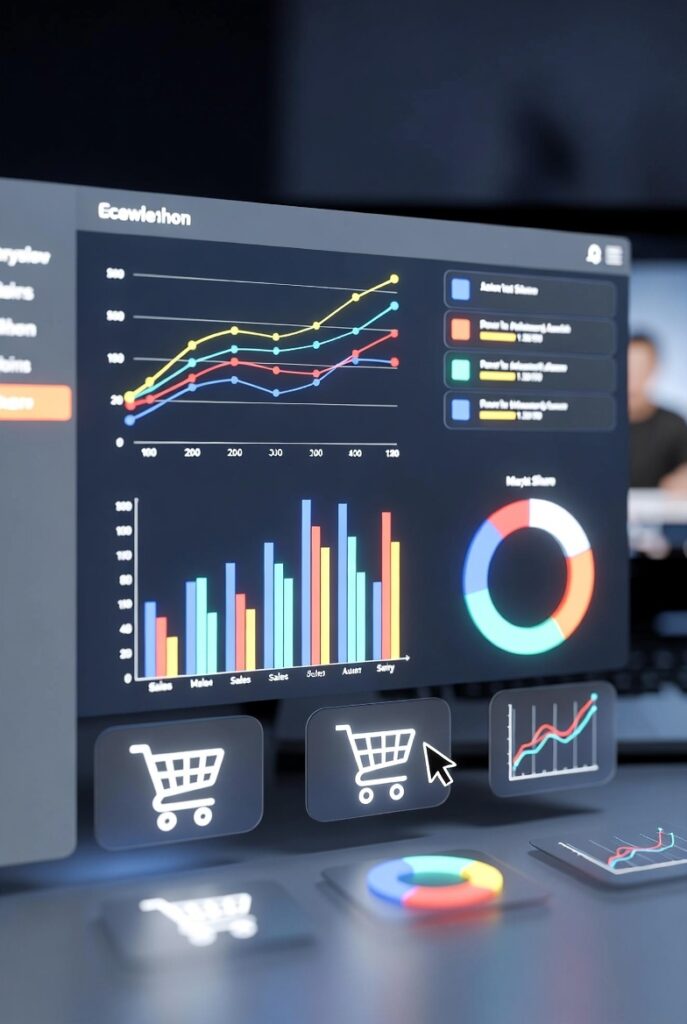
With Real-Time Dashboards, teams gain centralized task visibility, automated updates, and customizable views. Tasks are displayed in one place, progress refreshes automatically, and filters allow members to focus on priorities. This combination ensures clarity and efficiency across distributed teams.
Benefits of Real-Time Dashboards for Remote Teams
The benefits of these dashboards include improved collaboration, enhanced accountability, and faster decision-making. Communication is centralized through integrated chat and file sharing, ownership of tasks is clear, and managers can act quickly on real-time insights. These features reduce bottlenecks and keep projects moving forward smoothly.

Real-Time Dashboards Boost Productivity
By automating repetitive updates, Real-Time Dashboards reduce redundancy and free employees to focus on meaningful work. Clear prioritization through color-coded tasks ensures teams tackle urgent items first, while streamlined workflows integrate calendars and project tools for smoother execution. The result is higher productivity and less wasted effort.
Scalability and Adaptability of Real-Time Dashboards
As organizations expand, these dashboards scale effortlessly. They adapt to diverse industries, from IT to marketing, and continuously improve by learning from team behavior. This adaptability makes them a long-term solution for growing businesses, ensuring that remote teams remain efficient no matter how large or complex they become.
Conclusion – The Future of Remote Collaboration
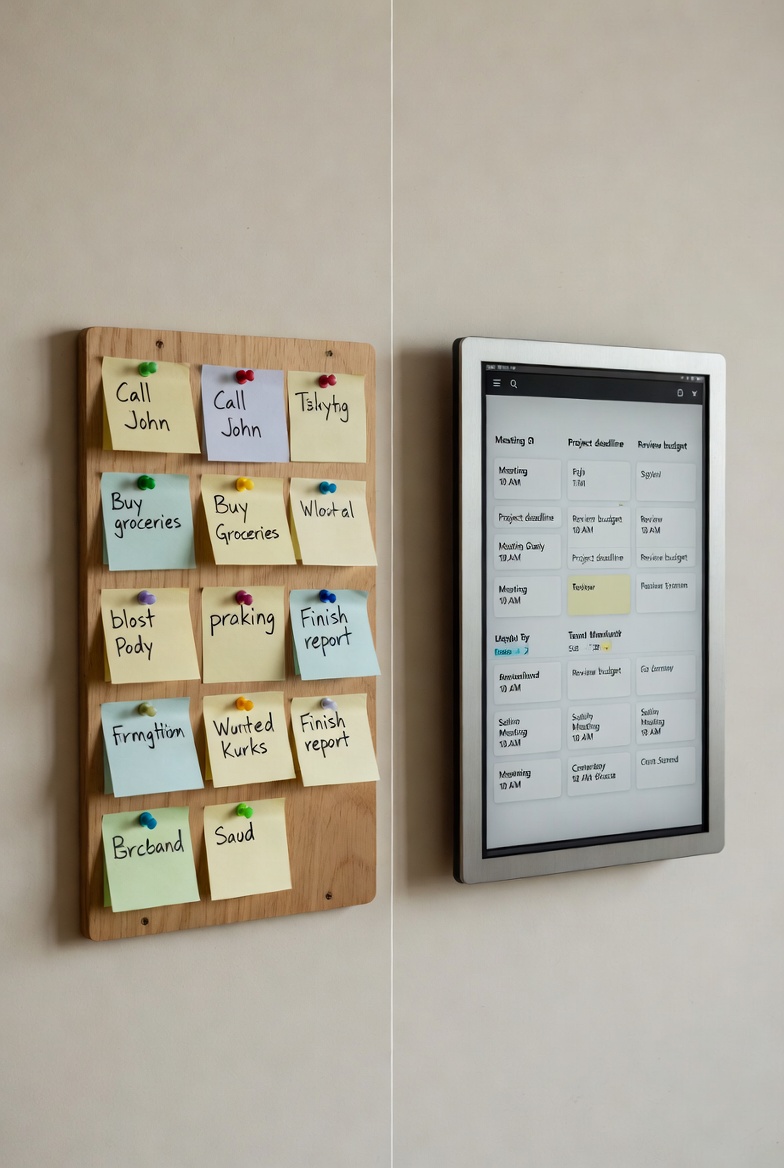
In conclusion, Real-Time Dashboards are more than a productivity tool—they are a strategic solution for modern organizations. Because they enhance collaboration, accountability, and scalability, they empower remote teams to thrive in a digital-first world. Therefore, adopting this is not just about managing tasks—it is about unlocking the full potential of distributed teams.
By moving beyond traditional task management and embracing real-time visibility, businesses can achieve sustainable success in an increasingly competitive environment.