Introduction
Remote work has become the new standard for many organizations. Teams now collaborate across countries, time zones, and schedules, which brings tremendous flexibility but also introduces new challenges. Remote teams often struggle with communication gaps, unclear responsibilities, and difficulty tracking daily progress. Therefore, leaders increasingly turn to real-time dashboards to give their teams the visibility, structure, and coordination they need.
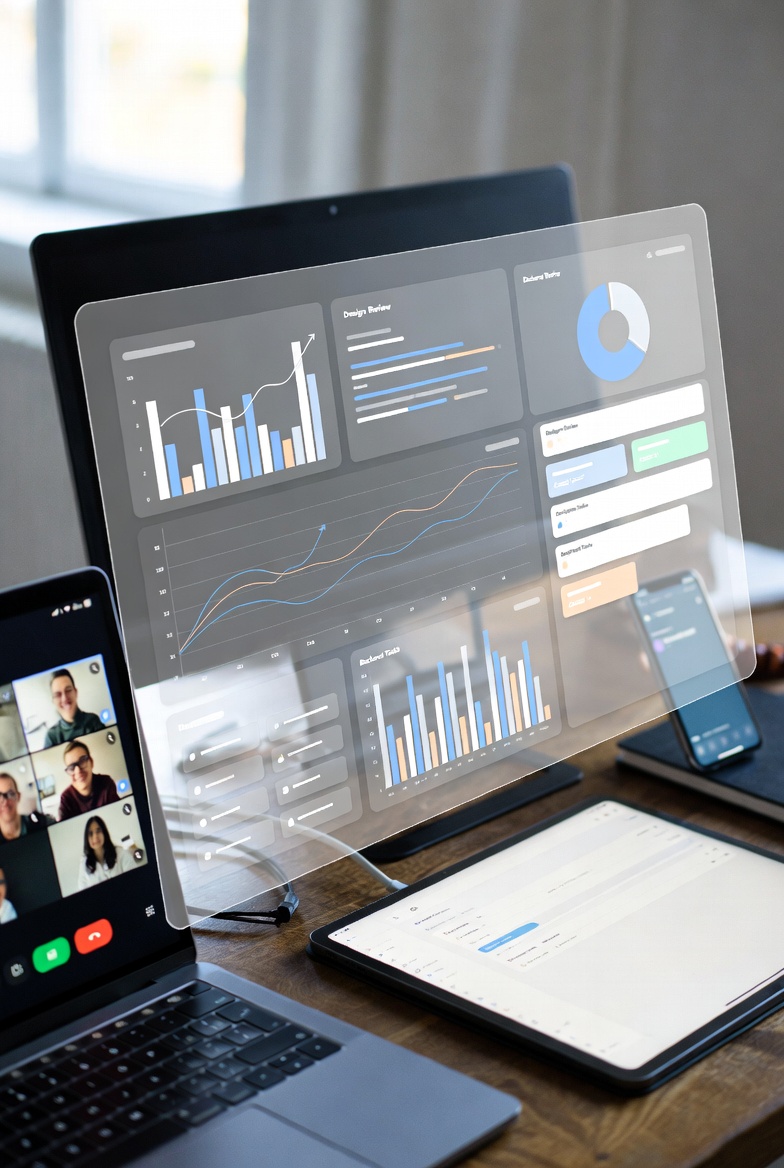
To overcome these obstacles, businesses rely on real-time dashboards for remote teams because these tools bring clarity, accountability, and instant access to critical updates. Real-time dashboards centralize tasks, deadlines, and performance indicators in one place, allowing remote teams to stay aligned even when working independently. As a result, teams communicate more effectively, make faster decisions, and maintain stronger momentum.
Why Real-Time Dashboards for Remote Teams Matter
First and foremost, real-time dashboards centralize information. Remote teams often depend on scattered emails, outdated spreadsheets, or multiple messaging apps. In contrast, they provide everyone with a single source of truth. Team members see consistent data, updated instantly, which eliminates misunderstandings and prevents delays.
Additionally, dashboards foster transparency. Managers can monitor workloads, identify bottlenecks, track overall project health, and redistribute tasks when needed. As a result, remote teams operate more smoothly and maintain higher levels of performance.
Dashboards also strengthen trust within remote environments. When employees can clearly see responsibilities, progress, and priorities, the team feels more unified and confident in one another’s contributions.
Core Features of Real-Time Dashboards for Remote Teams
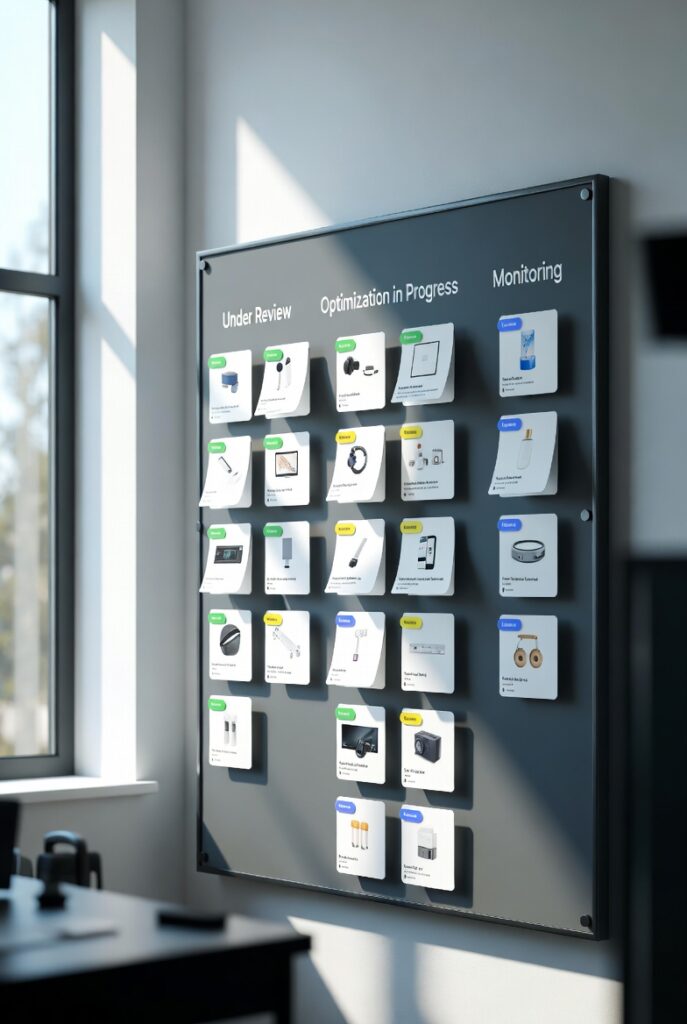
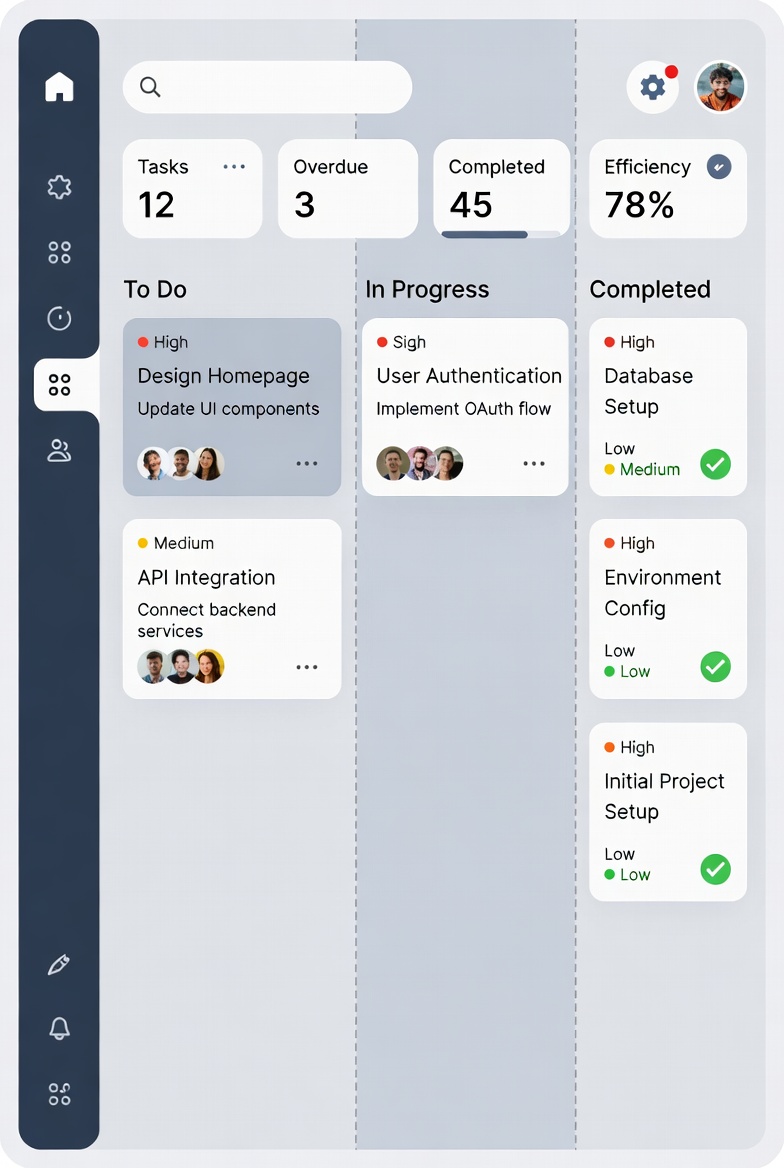
To begin with, real-time dashboards offer visual workflow tracking. Tasks appear as cards that move through stages like “To Do,” “In Progress,” and “Completed.” As a result, team members instantly understand the status of each task and waste less time searching for updates.
These platforms also include powerful collaboration tools. Team members can comment on tasks, attach files, tag colleagues, and share important details directly within the workspace. This keeps communication organized and tied to the work it supports.
In addition, built-in automation helps remote teams eliminate repetitive admin tasks. Automated notifications, reminders, and assignments maintain steady progress without requiring constant manual oversight.
Finally, leaders benefit from analytics and insights provided through dashboards. They can review team performance, workloads, timelines, bottlenecks, and overall progress—making decision-making smarter, faster, and driven by real data.
Benefits of Real-Time Dashboards for Remote Teams
Because centralized dashboards bring workflows together, remote teams spend far less time searching for information and more time executing meaningful work. Productivity improves naturally when everything stays organized and visible.
They also close communication gaps. Instead of relying on meetings or scattered messages, teams receive continuous updates that keep collaboration smooth and consistent.
These dashboards also reinforce accountability. Each task has a clear owner and deadline, encouraging team members to follow through and deliver reliably.
Another advantage is scalability. Whether a company manages a small remote team or a global workforce, the system adapts effortlessly. New departments, processes, and workflows integrate without disruption.
Most importantly, dashboards provide confidence. People perform better when they understand priorities, see progress clearly, and know how their role fits into the bigger picture.
How Real-Time Dashboards Transform Remote Work
Advanced task management using real-time dashboards transforms remote work in several meaningful ways:
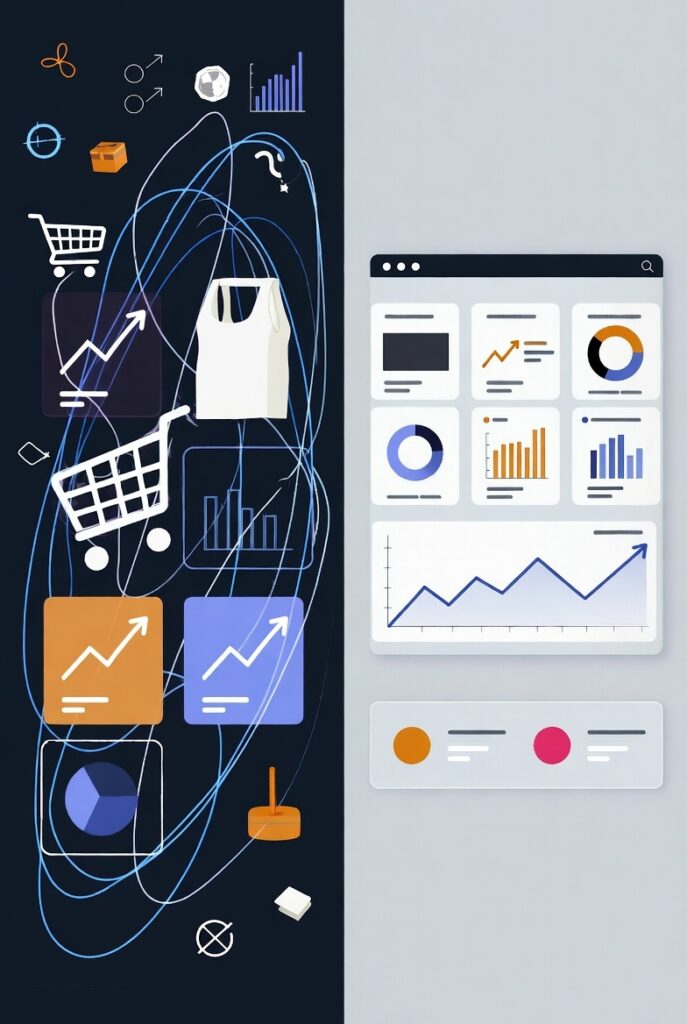
From Fragmentation to Integration
Real-time dashboards replace disconnected tools and scattered communication channels with a unified platform. Consequently, remote teams stay consistent and structured across every project.
From Manual to Automated
Automation handles repetitive work, reminders, approvals, and follow-ups. Therefore, remote teams save valuable time and reduce human error.
From Reactive to Proactive
Real-time dashboards allow managers to identify issues before they escalate. This helps teams plan ahead, address problems early, and maintain steady progress.
Through these improvements, they enable remote teams to move beyond basic survival mode and thrive in a competitive digital environment.
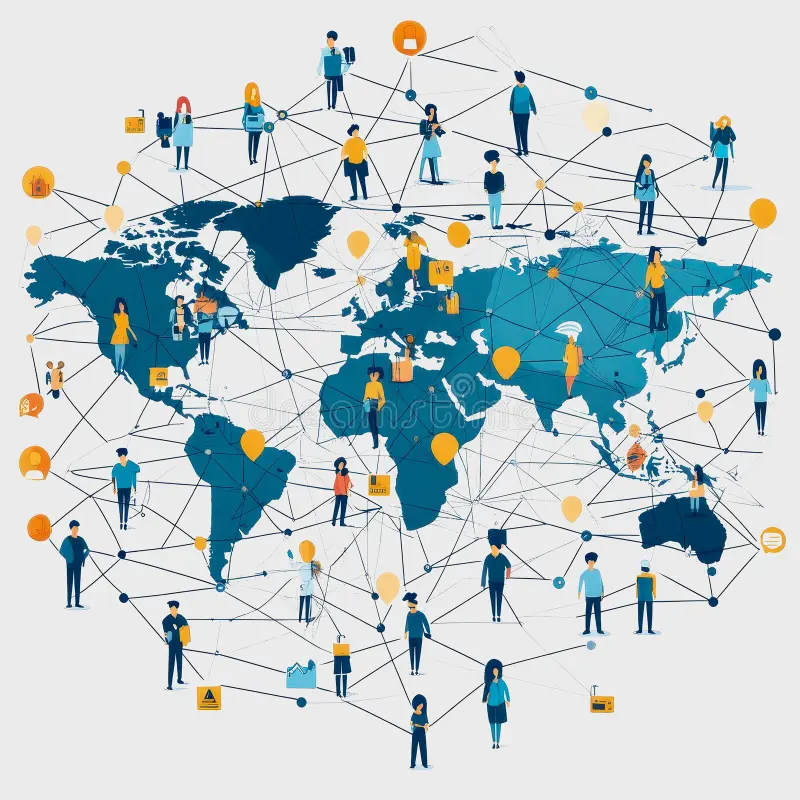
Practical Applications of Real-Time Dashboards
They support remote work across a wide range of industries:
- Software Development: Developers use real-time dashboards to track sprints, backlogs, tasks, and bug fixes. As a result, software teams deliver projects faster with fewer errors.
- Marketing Teams: Marketers organize campaigns, plan content, assign creative work, and track deadlines using the boards Meanwhile, collaboration stays centralized, reducing confusion.
- Customer Support: Support agents prioritize tickets, monitor response times, and escalate issues using these dashboards. Consequently, customer service becomes faster and more consistent.
Conclusion
In conclusion, advanced task management using real-time dashboards gives remote teams the structure and visibility they need to excel. By centralizing workflows, supporting collaboration, and providing clear insights, they transform remote operations and create lasting improvements in productivity.
Ultimately, adopting them is not simply about tracking tasks. It is about empowering remote teams, improving communication, increasing accountability, and setting the foundation for long-term success in today’s digital world.