Introduction: Why a Scalable eCommerce Product Strategy Matters
In today’s fast-paced digital marketplace, having a strong eCommerce product strategy is no longer optional—it’s essential. As online stores grow, managing thousands of products, meeting customer expectations, and maintaining profitability becomes increasingly complex. Therefore, a well-structured eCommerce product strategy helps businesses make smarter decisions about pricing, inventory, and product development while ensuring long-term scalability and consistent customer satisfaction. Moreover, it provides a roadmap for sustainable growth that balances efficiency and innovation.
Understanding the Core of an eCommerce Product Strategy
At its heart, an eCommerce product strategy defines how a brand selects, manages, and markets its products to achieve business goals. In other words, it covers everything from sourcing products and setting prices to analyzing data and forecasting demand. Furthermore, the most successful businesses treat their eCommerce product strategy as a living system—constantly evolving with market trends, customer feedback, and performance insights. As a result, they remain agile and competitive even as the market shifts.
Step 1: Define Clear Product Goals Aligned With Business Growth
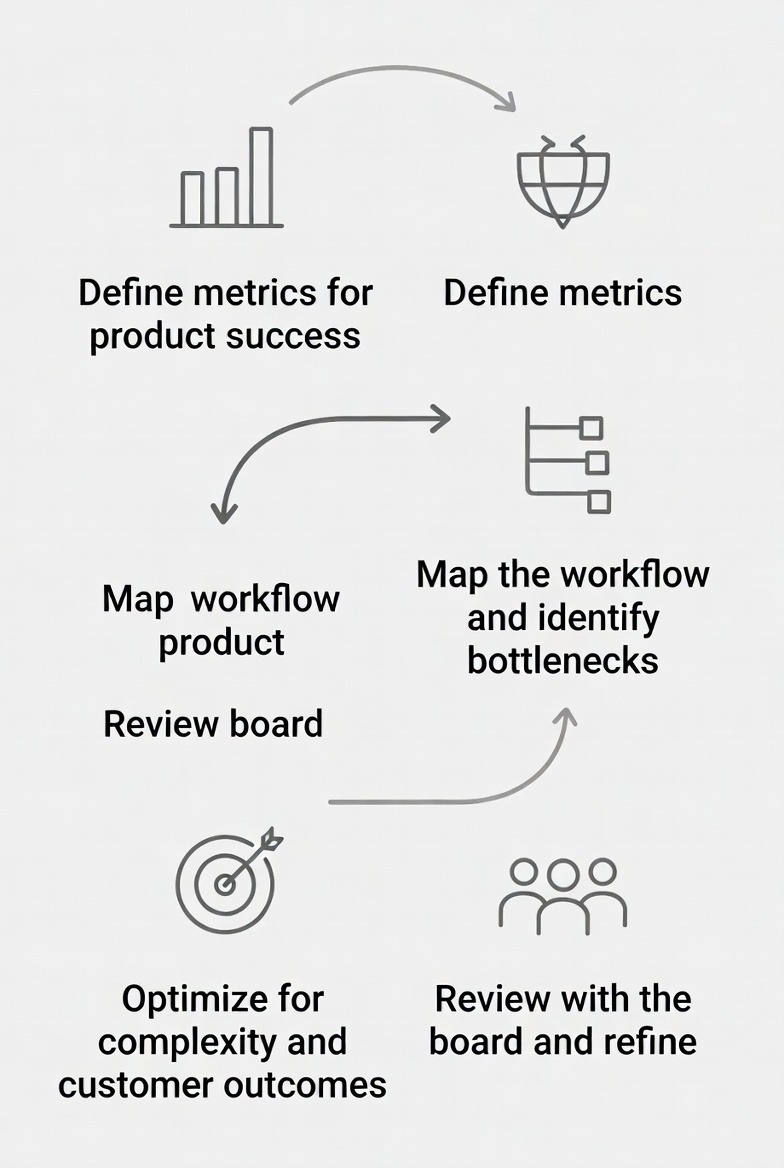
A scalable eCommerce product strategy starts with clarity. Before anything else, it’s crucial to define specific, measurable goals. For example, do you want to increase sales by 30%, improve conversion rates, or expand internationally? By doing so, you ensure that every product decision contributes directly to sustainable growth. Additionally, aligning your product strategy with broader business objectives creates a cohesive direction across all departments—from marketing to supply chain.
Step 2: Leverage Data for Smarter Product Decisions
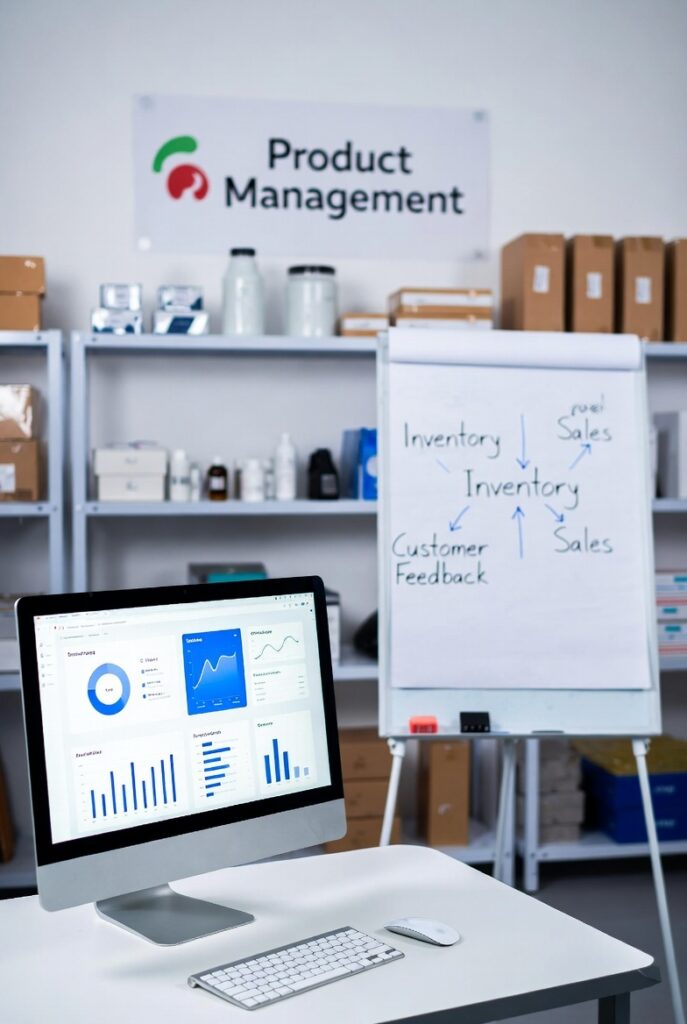
Without a doubt, data is the backbone of a scalable eCommerce product strategy. By analyzing sales trends, customer behavior, and market demand, businesses can identify which products to promote, phase out, or restock. Consequently, decisions become more predictive and proactive rather than reactive. In addition, tools like Google Analytics, Shopify Insights, and AI-driven dashboards offer real-time performance metrics that guide smarter strategies. Ultimately, leveraging data empowers brands to stay ahead of competition and anticipate customer needs effectively.
Step 3: Optimize Product Lifecycle Management
Equally important, efficient product lifecycle management ensures each product performs profitably from launch to discontinuation. Therefore, reviewing pricing, inventory, and marketing performance regularly allows businesses to adapt to changing trends. Moreover, this practice ensures that your eCommerce product strategy remains flexible and relevant in competitive environments. In short, optimizing every stage of the product lifecycle translates into higher returns and stronger market positioning.
Step 4: Focus on Scalable Systems and Automation
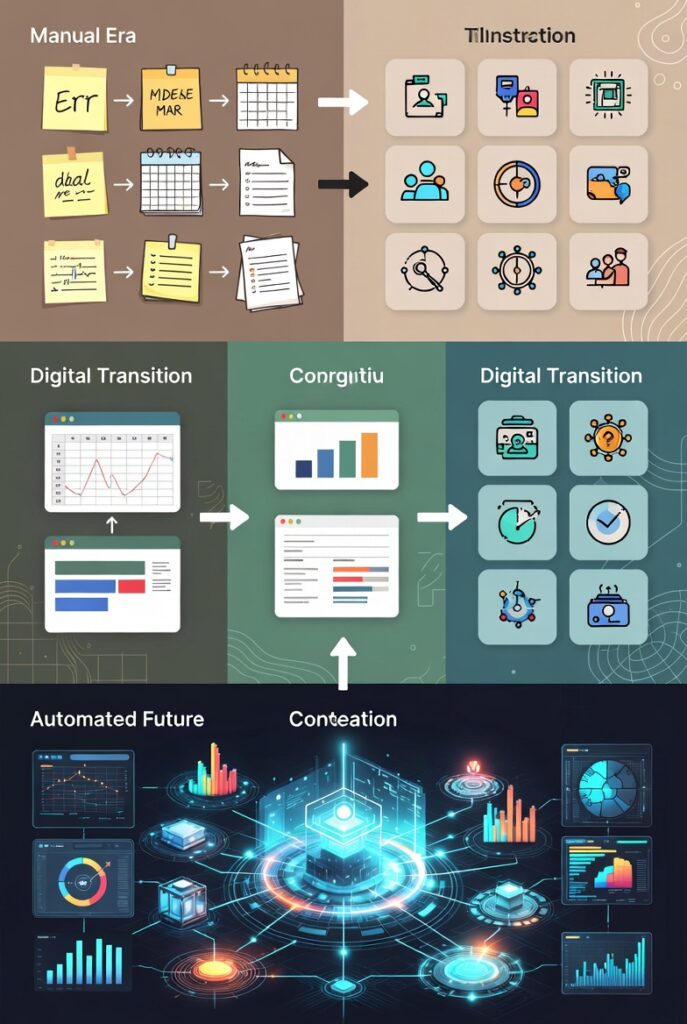
As your business expands, scalability becomes increasingly dependent on automation. Hence, integrating tools that automate repetitive tasks—such as inventory tracking, order fulfillment, and dynamic pricing—is essential. Furthermore, automation streamlines backend operations, freeing up valuable time for innovation and customer engagement. Consequently, your product strategy remains efficient even as product volume and traffic surge. In essence, automation is the bridge between growth and operational stability.
Step 5: Prioritize Customer Experience and Feedback Loops
A truly customer-centric product strategy doesn’t just focus on profit—it focuses on people. For instance, gathering feedback through reviews, surveys, and analytics helps you understand what customers truly value. In turn, this insight allows you to refine your strategy by improving product quality, adjusting pricing, or creating bundles that drive satisfaction. Additionally, continuous feedback loops strengthen loyalty and boost lifetime customer value. Therefore, prioritizing the customer experience directly fuels sustainable business success.

Step 6: Expand Strategically Without Losing Focus
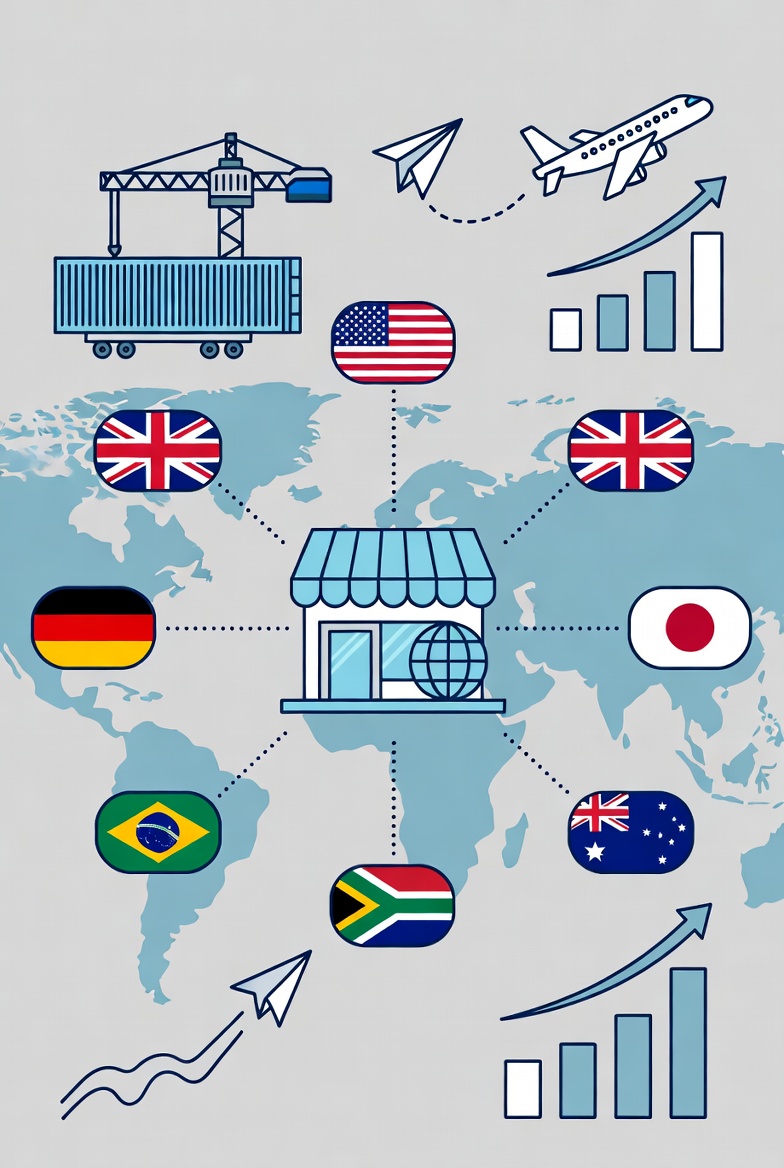
When scaling, it’s tempting to diversify too quickly. However, a successful eCommerce product strategy encourages controlled, data-backed expansion. By testing new products, regions, or segments gradually, you reduce risk and maintain quality. Moreover, A/B testing and pilot launches provide valuable insights before full-scale rollout. As a result, your brand can grow strategically expanding reach while maintaining operational excellence and brand consistency.
Step 7: Measure, Analyze, and Adjust Regularly
Finally, no product strategy is flawless from the start. Thus, continuous evaluation using KPIs such as profit margins, customer acquisition cost (CAC), and return on investment (ROI) is critical. By analyzing these metrics, you can identify what’s working and where adjustments are needed. Moreover, fostering a culture of ongoing improvement ensures that your strategy remains dynamic, adaptable, and future-ready. In other words, scaling smoothly requires not just planning—but persistence and performance monitoring.
Conclusion: The Future of Scalable eCommerce Product Strategy
In conclusion, building a scalable eCommerce product strategy is about more than expanding your catalog—it’s about creating a resilient, data-driven system that grows with your business. By aligning goals, leveraging automation, and keeping the customer at the center, you can ensure steady growth in a rapidly changing digital world. Ultimately, a forward-thinking eCommerce product strategy enables your brand to scale smoothly, remain competitive, and thrive in the future of online retail.