Introduction
As organizations continue moving toward digital-first operations, traditional project management methods are becoming increasingly outdated. Businesses today demand tools that offer real-time accuracy, seamless collaboration, and rapid adaptability—qualities that older project management systems struggle to deliver. This evolving landscape is exactly why smart taskboards are replacing traditional project management tools across industries like IT, retail, logistics, eCommerce, construction, and corporate operations.
Smart taskboards bring together automation, visibility, and teamwork into a single platform, enabling teams to operate more efficiently than ever before. With drag-and-drop workflows, intuitive dashboards, cloud accessibility, and AI-powered insights, these modern tools transform how teams plan, execute, and track their daily work.
Below is a fully expanded, SEO-optimised guide explaining why organisations are making the switch—and why smart taskboards are becoming the new standard in modern work management.
The Shift Toward Smarter, Faster Workflows
In today’s rapidly evolving digital world, businesses are constantly seeking more efficient and adaptable systems. This shift is why smart taskboards are replacing traditional project management tools, as they provide unmatched speed, clarity, and real-time visibility. Traditional tools often rely on outdated workflows that slow teams down, especially when multiple tasks must be tracked simultaneously.
Smart taskboards, however, support the modern need for agility. They allow teams to update tasks instantly, access information from any device, and reassign work without long delays. Because of this, organisations can respond to market changes, internal shifts, and customer demands with greater accuracy and speed. As a result, companies that rely on smart taskboards remain more competitive, efficient, and resilient.
Visual Clarity That Outperforms Traditional Tools

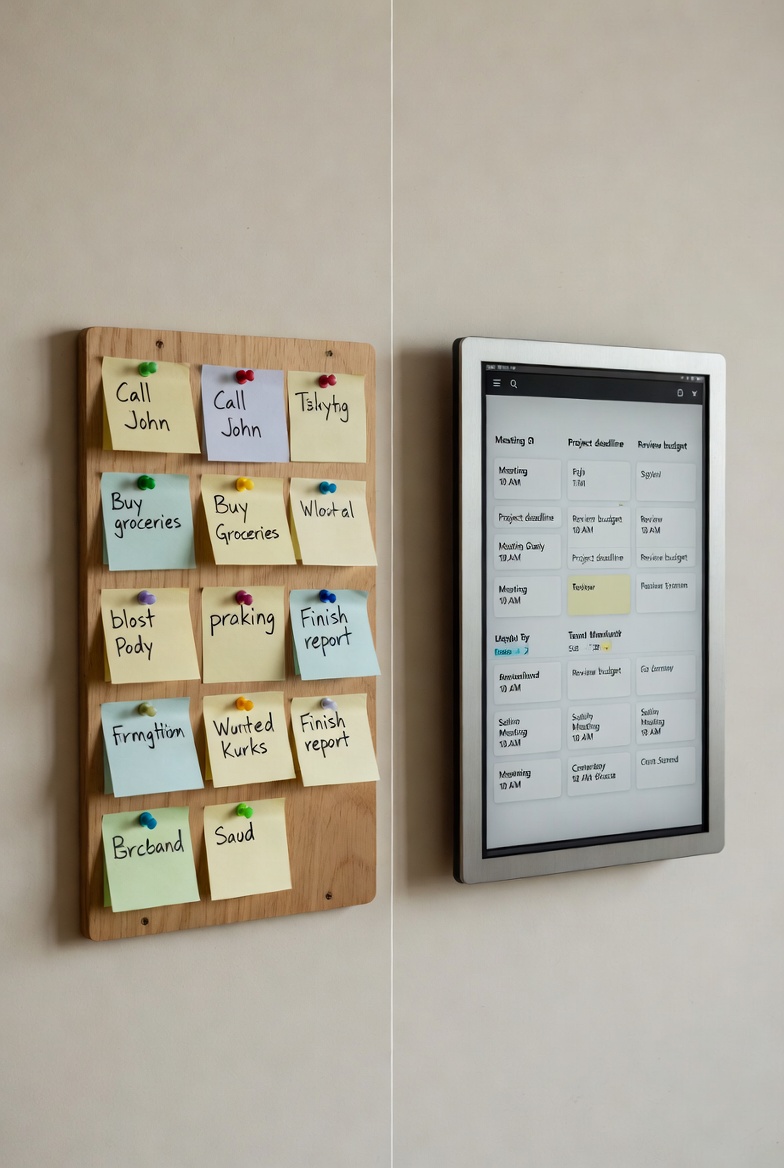
One major reason why smart taskboards are replacing traditional project management tools is their highly visual and intuitive design. Older methods—such as static Gantt charts, spreadsheets, or text-heavy documents—often become cluttered and overwhelming. These formats require extra time to interpret, increasing the risk of oversight and confusion.
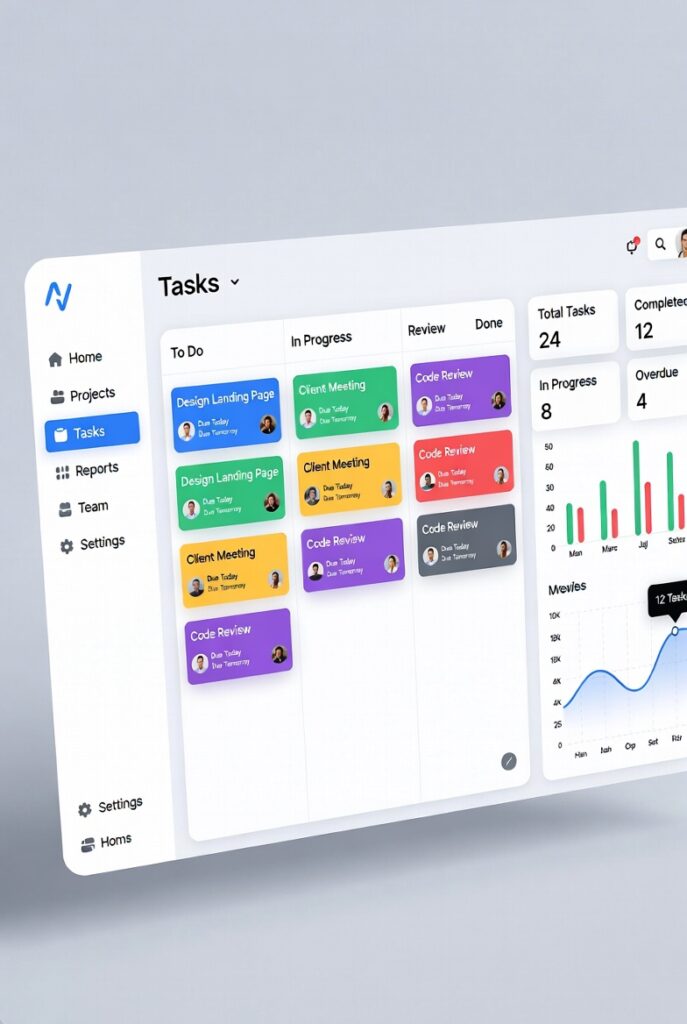
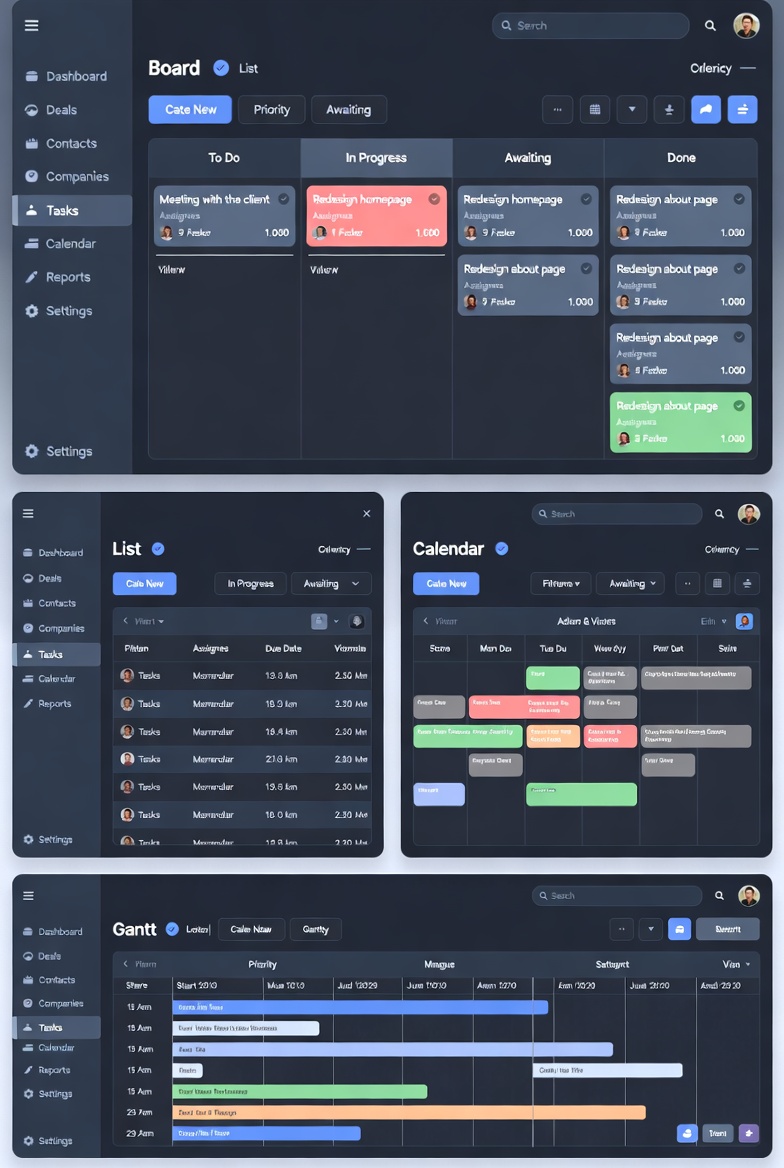
In contrast, smart taskboards present work in an organised, colour-coded layout. With drag-and-drop functionality, teams can move tasks between stages with ease. Instant updates ensure everyone sees the current status, deadlines, and priorities. This high level of visual clarity not only enhances understanding but also boosts decision-making. Team members immediately know what needs attention, who is responsible, and which tasks are falling behind, making daily workflows significantly smoother.
Seamless Collaboration Across Teams with Smart TaskBoards
Furthermore, smart taskboards dramatically improve communication and teamwork. Traditional tools often force teams to rely on long email threads, constant check-ins, or separate messaging apps to stay updated. This creates inefficiencies and makes it difficult to maintain a single source of truth.
Smart taskboards integrate all collaboration features directly into the platform. Users can comment on tasks, share documents, upload evidence, tag team members, and follow progress all in one place. Because updates occur in real time, everyone stays aligned, reducing the chances of duplicated work or missed deadlines. This seamless interaction strengthens accountability, enhances coordination, and minimises delays across all departments.
Real-Time Automation and AI Enhancements
Another compelling reason why smart taskboards are replacing traditional project management tools is their ability to automate repetitive tasks. Traditional systems depend heavily on manual updates, which are time-consuming and prone to human error. Teams may struggle to keep task lists accurate, resulting in confusion, bottlenecks, and missed deadlines.
Smart taskboards, however, use automation and artificial intelligence to improve efficiency. Tasks can auto-update when certain conditions are met, reminders are triggered automatically, and potential risks are flagged early. Predictive analytics can even forecast project delays and help managers make smarter scheduling decisions. This automation ensures teams stay proactive rather than reactive, ultimately boosting productivity and saving countless hours previously spent on administrative work.
Smart TaskBoards are Ideal for Remote and Hybrid Workforces
Smart taskboards truly shine in remote and hybrid environments. As more organisations embrace flexible work arrangements, the need for tools that provide instant access and live updates becomes increasingly essential. Traditional project tools—designed for office-based teams—often fall short because they lack mobility, require local installations, or do not sync automatically.
As noted in HubSpot’s breakdown of remote work tools, cloud-based taskboards ensure that every team member, regardless of location, sees the same information at the same time. Whether employees are working from home, in the office, or on the go, they can update tasks, join discussions, and track progress effortlessly. This accessibility supports teamwork, reduces miscommunication, and creates a unified workflow. It is no surprise that this remote-friendly capability is a major reason why smart taskboards are replacing traditional project management tools worldwide.
Cost-Effective and Scalable for Growing Teams
Equally important, smart taskboards offer excellent cost-effectiveness. Traditional tools often involve expensive licenses, complex installations, and ongoing maintenance costs. They may also require specialized training, which increases expenses and slows adoption.
Smart taskboards, however, are designed to scale easily. They typically operate on subscription models that grow with the organisation’s needs. Onboarding is simple, and most users learn the system quickly without extensive training. Businesses save money on IT support, software upgrades, and manual administrative labour. This affordability gives companies—especially small and medium-sized enterprises—a strong incentive to adopt smart taskboards instead of outdated systems.
The Future of Work Favors Smart Taskboards

Ultimately, why smart taskboards are replacing traditional project management tools comes down to their ability to support future-focused work environments. As digital transformation accelerates, businesses require tools that are dynamic, intelligent, and adaptable. They provide this flexibility by offering real-time insights, automation, collaboration features, and mobile accessibility.
They align with modern project management philosophies that emphasize transparency, agility, and continuous improvement. Companies that embrace them they gain a clear competitive advantage, as they can make quicker decisions, avoid bottlenecks, and deliver results more efficiently. In short, smart taskboards represent not just an upgrade but a necessary evolution in how teams plan, execute, and monitor work.
Conclusion
Smart taskboards represent the future of modern project management. As businesses continue shifting toward digital operations, remote work, and automation, traditional tools can no longer meet the demands of efficiency and real-time collaboration. They provide the visual clarity, automation, communication tools, and mobility needed to keep teams aligned and productive.
Their ability to scale, reduce costs, and adapt to any work environment is exactly why smart taskboards are replacing traditional project management tools across the world. Companies that embrace these modern solutions gain a strategic advantage—enabling faster decision-making, smoother workflows, and stronger performance.
If your organisation is still relying on outdated systems, now is the perfect time to transition to a smarter, more future-proof solution.