Introduction: The Future of Task Management
The workplace is undergoing a profound transformation. Distributed teams, hybrid work models, and digital collaboration tools have become the norm. In this context, the future of task management is defined by systems that seamlessly integrate real‑time collaboration with artificial intelligence. These innovations are not incremental upgrades; they represent a paradigm shift in how organizations plan, execute, and deliver projects. By merging AI with collaborative dashboards, companies can eliminate inefficiencies, empower employees, and achieve unprecedented productivity.
Why Traditional Task Management Falls Short
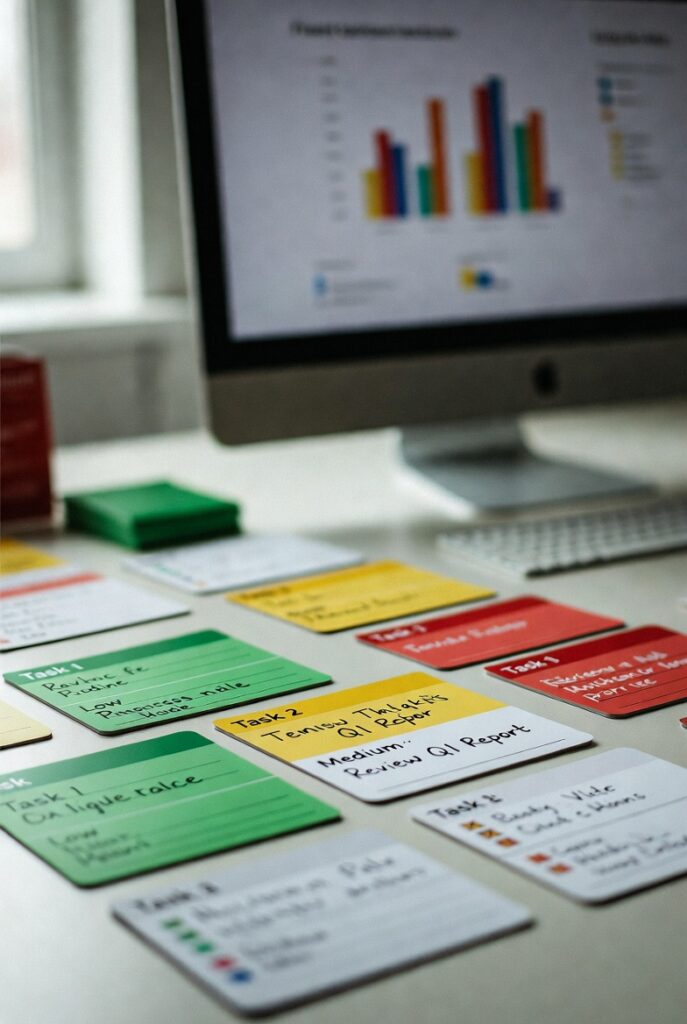
For decades, task management relied on manual updates, static spreadsheets, and siloed communication. Consequently, teams often struggled with missed deadlines, duplicated work, and poor visibility. Managers spent hours chasing updates, while employees felt disconnected from the bigger picture.
However, the future of task management addresses these challenges head‑on. Automated systems reduce repetitive tasks, centralize communication, and provide live updates that keep everyone aligned. Instead of wasting time on administrative tasks, teams can focus on innovation and problem‑solving.
Real‑Time Collaboration as the Core of the Future of Task Management
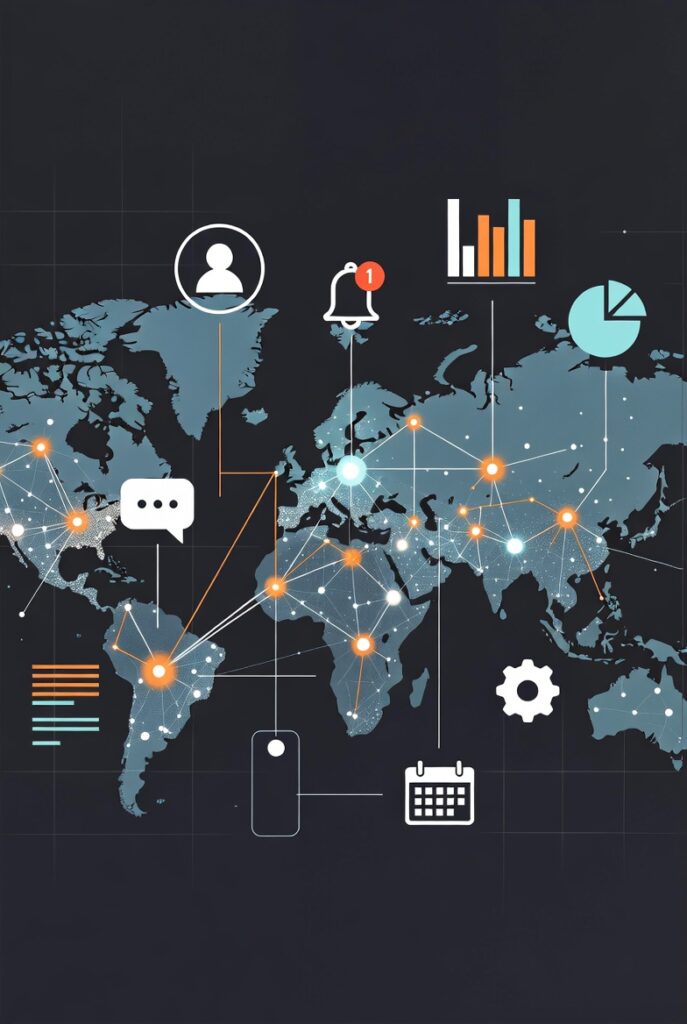
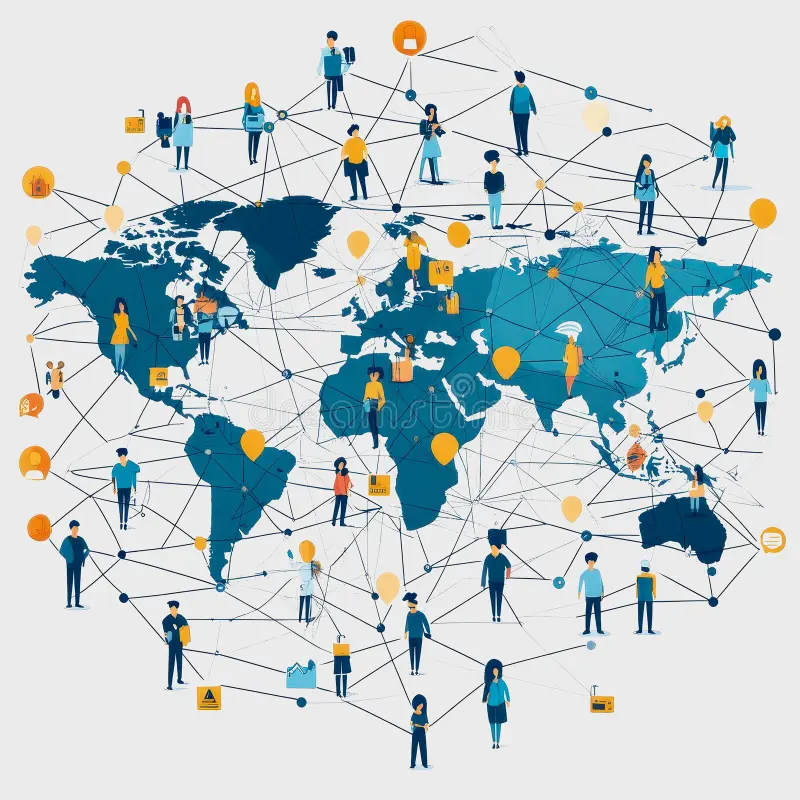
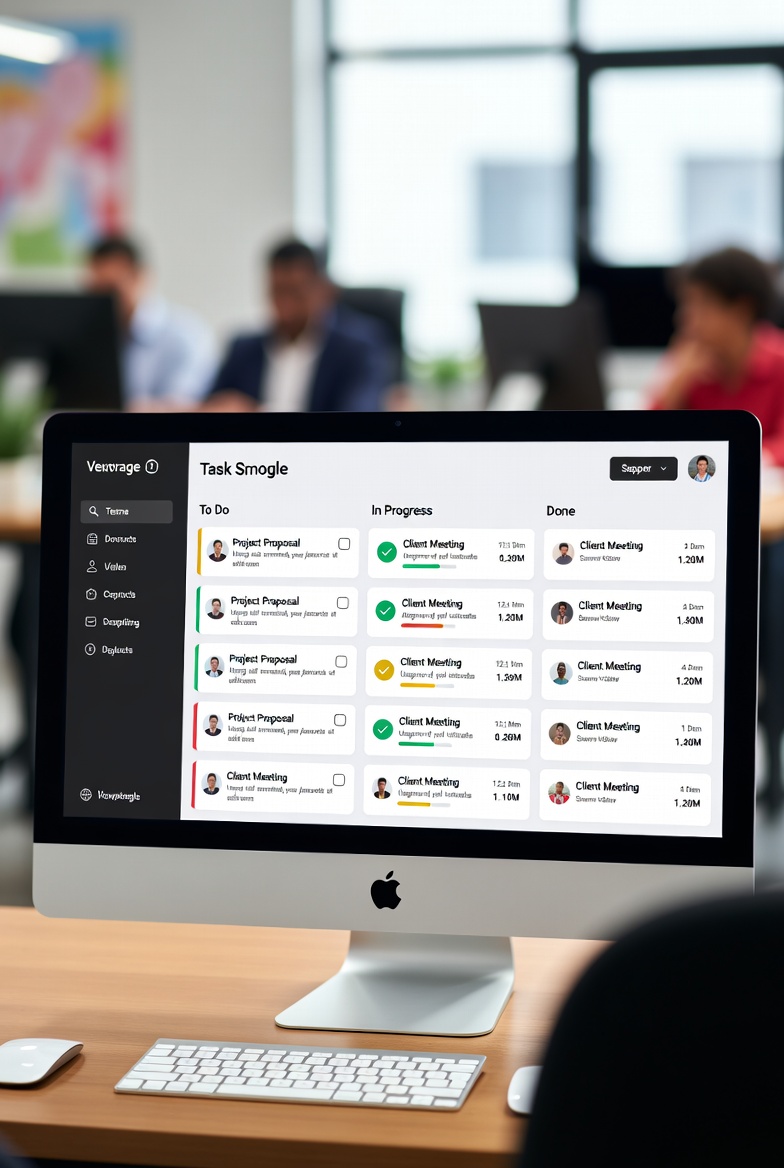
Real‑time collaboration tools are the backbone of the future of task management. They allow distributed teams to work together seamlessly, regardless of location or time zone. Features such as instant messaging, shared dashboards, and live document editing ensure that every team member is on the same page.
Moreover, these tools foster transparency, accountability, and faster decision‑making. For example:
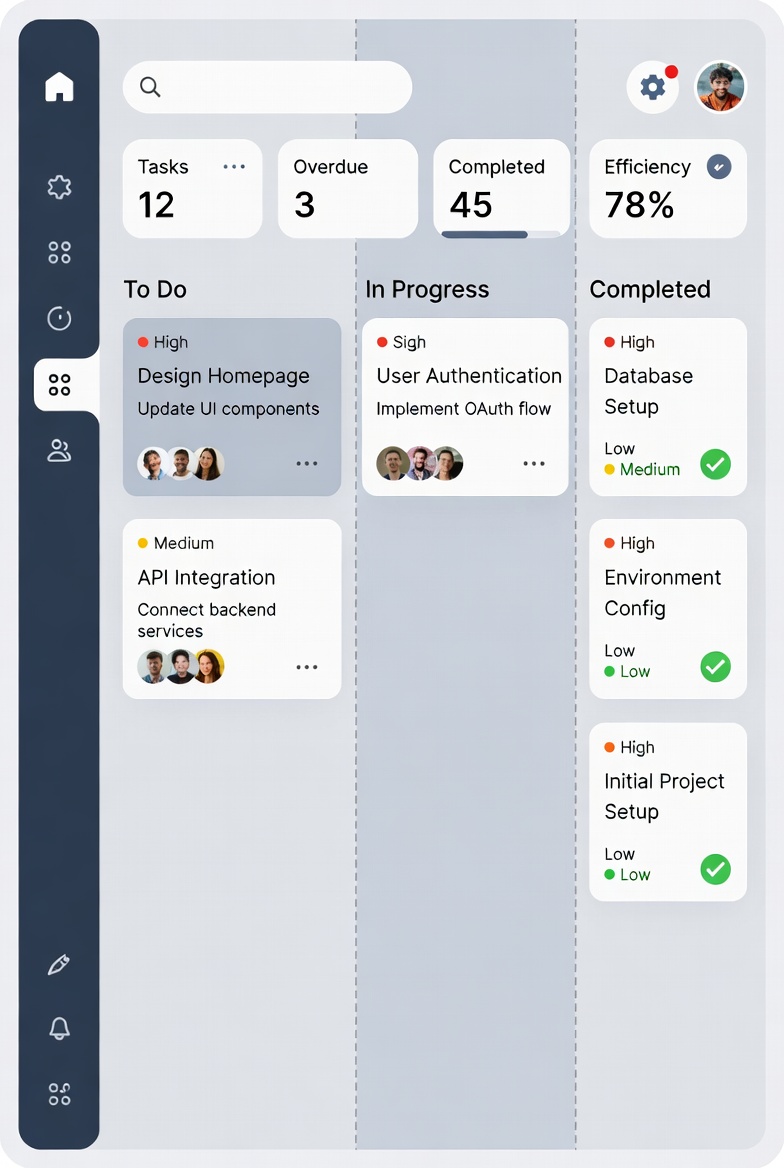
- Instant updates: When one team member completes a task, the dashboard reflects it immediately.
- Shared visibility: Stakeholders can monitor progress without waiting for weekly reports.
- Interactive communication: Teams can comment directly on tasks, reducing email overload.
Therefore, real‑time collaboration eliminates guesswork and empowers teams to act decisively.

How AI Enhances the Future of Task Management
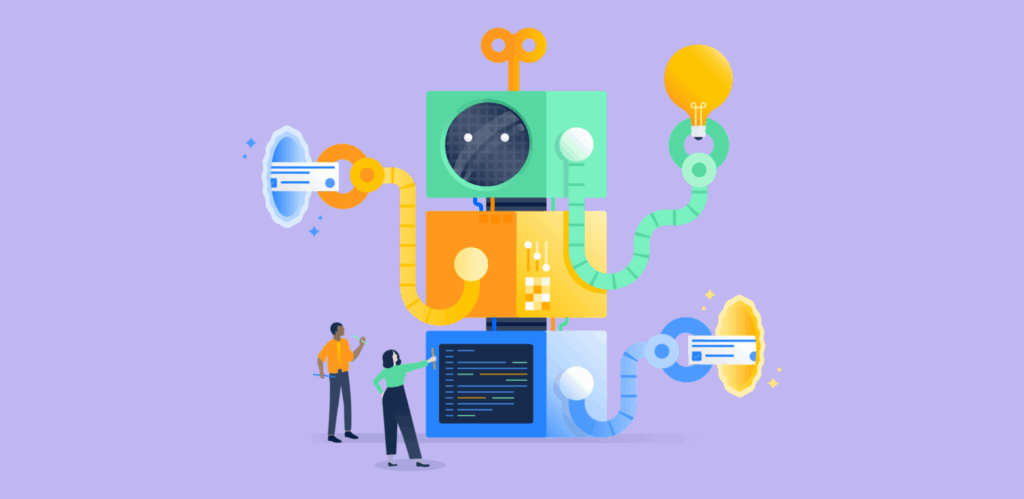
Artificial intelligence adds another layer of sophistication to collaboration. By analyzing historical data and current workflows, AI can:
- Predict project risks before they escalate.
- Automatically assign tasks based on team capacity and skill sets.
- Provide intelligent reminders and progress tracking.
- Suggest workflow optimizations to improve efficiency.
Consequently, the future of task management is not just about collaboration; it is about intelligent collaboration powered by AI. This means that managers no longer need to micromanage, as AI systems proactively guide teams toward success.
Benefits of Combining Real‑Time Collaboration and AI
The integration of AI with collaborative systems delivers transformative benefits:
- Efficiency: Automated updates reduce manual work and save valuable time.
- Accuracy: AI minimizes human error by analyzing patterns and predicting outcomes.
- Transparency: Dashboards provide clear visibility into progress for all stakeholders.
- Scalability: Systems adapt as projects grow without adding complexity.
- Engagement: Employees feel more connected when they see their contributions in real time.
Thus, the future of task management ensures that organizations can scale operations while maintaining agility and employee satisfaction.
Real‑World Applications of the Future of Task Management
Organizations across industries are already embracing these innovations:
- Tech firms use AI dashboards to manage agile sprints and prioritize bug fixes.
- Marketing teams rely on real‑time collaboration to coordinate campaigns across multiple regions.
- Healthcare providers track patient care tasks with AI‑powered systems, ensuring compliance and safety.
- Education institutions manage online learning assignments seamlessly, keeping students and teachers aligned.
Therefore, the future of task management is universal, benefiting any sector that requires coordination, accountability, and efficiency.

Challenges and Considerations
Despite the promise, organizations must address challenges such as data privacy, integration costs, and employee training. For instance, AI systems require access to sensitive project data, which raises concerns about security. Moreover, integrating new tools with legacy systems can be costly and complex.
Nevertheless, with proper planning, these obstacles can be overcome. Importantly, leaders should view AI not as a replacement but as a partner that enhances human decision‑making. By investing in training and change management, companies can ensure smooth adoption and maximize the benefits of task management.
The Human Side of the Future of Task Management
While technology plays a central role, the human element remains critical. Real‑time collaboration tools foster trust and connection among team members. AI may automate tasks, but it cannot replace creativity, empathy, or leadership. Therefore, the future of task management is about striking a balance between automation and human insight.
Managers must learn to leverage AI for logistics while focusing their energy on motivating teams, resolving conflicts, and driving innovation. Employees, in turn, must embrace these tools as allies rather than threats.
Looking Ahead: The Future Is Here
As organizations continue to adapt to digital transformation, the future of task management will evolve further. We can expect:
- Predictive analytics that forecast project outcomes with remarkable accuracy.
- Voice‑activated dashboards that allow managers to update tasks hands‑free.
- Cross‑platform integration that unifies communication across tools like Slack, Teams, and Zoom.
- AI‑driven personalization that tailors’ dashboards to individual work styles.
Ultimately, the fusion of real‑time collaboration and AI into one system represents the future of seamless teamwork. Companies that embrace these innovations will not only streamline operations but also inspire resilience, creativity, and long‑term success.

Conclusion: The Future of Task Management Is Intelligent and Collaborative
In conclusion, the future of task management is defined by the union of real‑time collaboration and AI. This combination eliminates inefficiencies, empowers teams, and drives innovation. By adopting these systems, organizations can transform chaos into clarity, pressure into productivity, and distance into connection.
The message is clear: the future is already here, and those who embrace it will lead the way in building smarter, more agile, and more human‑centered workplaces.