How Ruthless Collaboration in Product Management Crushes eCommerce Competition
Introduction: The Power of Collaborative Product Management in eCommerce
In today’s fast-moving digital landscape, Collaborative Product Management in eCommerce has become more than a strategy—it’s a survival skill. As online retailers juggle product data, customer insights, and logistics, managing everything in isolation no longer works. Instead, brands are turning to collaborative tools and data-driven systems that simplify complexity, enhance visibility, and unite cross-functional teams.
Consequently, this connected approach doesn’t just improve efficiency—it transforms decision-making from reactive to proactive.
Simplify: Turning Complexity into Clarity
First and foremost, Collaborative Product Management in eCommerce allows businesses to centralize their product information into one accessible platform. Rather than having marketing, operations, and logistics teams work separately, they can all interact within a single digital workspace.
As a result, teams gain real-time visibility into pricing, inventory, and customer feedback. Moreover, this simplification eliminates redundant communication and reduces the risk of outdated product data. When information is streamlined, every stakeholder—from supplier to marketer—works from the same accurate insights.
Streamline: Uniting Teams and Workflows
Efficiency thrives on collaboration. Through Collaborative Product Management, companies can align departments effortlessly. For example, product managers can update specifications while marketing instantly adjusts listings, and logistics teams adapt stock strategies—all in one synchronized flow.
Furthermore, integrating automation tools enhances this streamlined structure. Repetitive tasks such as updating product catalogs, adjusting prices, or tracking performance become faster and more accurate. Consequently, this creates a culture of accountability and transparency, where everyone contributes to shared business outcomes.
Scale: Building Sustainable Growth Through Collaboration
Scaling isn’t simply about adding more products; it’s about scaling smarter. With Product Management in eCommerce that is collaborative, growth becomes intentional and data-driven. Predictive analytics allow teams to forecast demand, identify best-selling items, and pivot strategies before challenges arise.
Additionally, collaboration ensures that expansion decisions are shared across departments, reducing risks caused by miscommunication. Therefore, instead of chasing short-term wins, businesses build sustainable systems that evolve with customer needs and market shifts.
The Competitive Advantage of Collaboration
In a world where customers expect precision and speed, Collaborative Product Management provides a critical edge. It enables teams to respond quickly to trends, launch products efficiently, and maintain consistency across all sales channels.
Moreover, collaborative product systems foster innovation. By bringing together diverse perspectives—design, marketing, analytics, and operations—brands can experiment, test, and optimize faster. This teamwork transforms ordinary product management into a cycle of continuous improvement and growth.
Conclusion: Transform Your eCommerce Success with Collaborative Product Management
Ultimately, Collaborative Product Management in eCommerce is about more than technology—it’s about people working better together. By simplifying workflows, streamlining communication, and scaling collaboratively, businesses position themselves for long-term success.
As competition intensifies, those who embrace collaborative management tools won’t just keep up—they’ll lead with clarity, agility, and innovation.
In the dynamic world of online retail, smart product boards are emerging as a game-changing tool for eCommerce leaders. These centralized, data-driven dashboards consolidate product performance, customer insights, and market trends into one actionable interface. By leveraging them, businesses can make faster decisions, reduce inefficiencies, and drive sustainable growth—unlocking the full potential of their digital storefronts.
1. Real-Time Visibility: Transforming Business Decisions Through Data-Driven Insights
First, product boards provide instant access to key metrics like sales velocity, inventory levels, and customer feedback—all in one place. No more switching between spreadsheets, analytics tools, or ERP systems.
With live dashboards tracking:
Top-performing SKUs
Understock alerts
Return rate trends
teams can spot opportunities and risks immediately. As a result, this real-time intelligence accelerates product prioritization, pricing adjustments, and promotional planning—fueling faster eCommerce growth.
2. Cross-Functional Alignment: How Smart Product Boards Break Down Silos
Next, product, marketing, and operations teams often work in isolation—leading to misaligned launches and missed revenue. Fortunately, smart product boards change that.
By giving every stakeholder a single source of truth, they foster collaboration. For instance, marketing sees which products need promotion, supply chain anticipates demand spikes, and product managers validate new ideas with data.
Consequently, this unified approach ensures launches are on time, on budget, and on target—driving cohesive strategies that accelerate eCommerce growth across the board.
3. Predictive Insights: Leveraging Data Intelligence to Forecast Growth and Scale Efficiently
Finally, the future belongs to proactive brands. Moreover, smart product boards powered by AI and machine learning go beyond reporting—they predict.
Analyze historical data to:
Forecast seasonal demand
Identify emerging bestsellers
Flag products at risk of obsolescence
With these predictive capabilities, teams enable preemptive inventory planning, targeted bundle creation, and dynamic pricing. Ultimately, the result is scalable operations that grow revenue without guesswork.
In summary, the path to eCommerce dominance isn’t paved with more products—it’s built on better decisions. Smart product boards deliver the visibility, alignment, and foresight needed to outpace competitors.
Whether you're refining your catalog, optimizing supply chains, or planning your next big launch, integrating them into your workflow is the smartest move you can make.
Ready to accelerate your growth? Start building your smart product board today.
Introduction: Advanced Task Management for Remote Teams
Remote work has become the new normal, and organizations are searching for ways to keep distributed teams aligned. Advanced task management for remote teams is the answer, especially when combined with real‑time dashboards. These tools eliminate confusion, provide transparency, and ensure that every team member knows exactly what to do and when to do it.
Why Remote Teams Need Advanced Task Management
Working remotely offers flexibility, but it also introduces challenges such as miscommunication, missed deadlines, and lack of visibility. Without proper systems, managers struggle to track progress. However, advanced task management for remote teams solves these issues by centralizing tasks, automating updates, and providing clear accountability. As a result, teams stay productive and projects move forward smoothly.
Real‑Time Dashboards as the Game Changer
Real‑time dashboards are the backbone of advanced task management for remote teams. They provide instant visibility into project status, resource allocation, and deadlines. Transition words like therefore, moreover, and consequently highlight how dashboards transform workflows:
Transparency: Everyone sees the same data at the same time.
Therefore, advanced task management for remote teams is not limited to one sector; it is a universal solution.
Challenges and Considerations
Despite the benefits, companies must address challenges such as data security, employee training, and integration with existing tools. Nevertheless, with proper planning, these obstacles can be overcome. Importantly, managers should view dashboards not as replacements but as enhancements to human collaboration.
The Future of Remote Work
Looking ahead, advanced task management for remote teams will evolve with AI, predictive analytics, and even voice‑activated dashboards. Consequently, remote teams will spend less time on logistics and more time innovating. Ultimately, real‑time dashboards represent the future of seamless collaboration.
Conclusion: Advanced Task Management for Remote Teams Creates the Future of Work
In conclusion, advanced task management for remote teams supported by real‑time dashboards is more than a productivity tool; it is a strategic enabler of modern collaboration. By eliminating manual reporting, enhancing transparency, and empowering decision‑making, organizations can unlock the full potential of distributed workforces. As remote work continues to expand globally, those who embrace advanced management of tasks will not only streamline operations but also inspire innovation and resilience across their teams.
In today’s digital-first economy, businesses are under constant pressure to scale quickly, operate efficiently, and deliver exceptional customer experiences. One of the most effective ways to achieve these goals is through multi-tenant SaaS task management systems. Unlike traditional single-tenant solutions, multi-tenant SaaS platforms allow multiple organizations to share the same infrastructure while ensuring secure, isolated environments for each tenant. Within this model, Smart Taskboards have emerged as a transformative tool that supports growth, collaboration, and productivity across diverse teams.
By combining the scalability of SaaS with the clarity of Smart Taskboards, companies can streamline workflows, reduce costs, and accelerate innovation. Transitioning to this approach is not just about adopting new technology—it’s about embracing a smarter way of working.
Why Multi-Tenant SaaS Task Management Matters
Multi-tenant SaaS task management is more than a technical upgrade; it is a strategic enabler of growth. Businesses that adopt this model benefit from:
Cost efficiency: Shared infrastructure reduces overhead compared to maintaining separate systems for each client.
Scalability: Organizations can expand seamlessly, whether onboarding new clients or scaling internal teams.
Security and compliance: Strong data isolation ensures privacy and compliance across tenants.
Continuous innovation: Regular updates benefit all users simultaneously, keeping systems modern and competitive.
These advantages make multi-tenant SaaS task management the backbone of modern business strategies, particularly for companies aiming to grow sustainably.
The Role of Smart Taskboards in Multi Tenant SaaS Growth
Centralized Collaboration
Smart Taskboards provide a unified interface where teams can visualize tasks, deadlines, and priorities. This centralization reduces confusion and ensures that all stakeholders remain aligned, regardless of their location or department.
AI-Powered Automation
By automating repetitive processes such as task creation, deadline assignment, and progress tracking, Smart Taskboards free up valuable time. Automation enhances consistency and reduces human error, which is critical in multi-tenant environments where efficiency is paramount.
Real-Time Insights
Smart Taskboards deliver live KPIs and analytics, allowing managers to monitor workload distribution, identify bottlenecks, and optimize performance. These insights are particularly valuable in SaaS systems, where multiple organizations rely on accurate reporting to make informed decisions.
Benefits of Smart Taskboards in Multi-Tenant SaaS
Enhanced Productivity Across Tenants
Smart Taskboards ensure that each tenant can manage tasks independently while benefiting from shared infrastructure. This balance between autonomy and efficiency supports growth without compromising control.
Seamless Onboarding and Scaling
As new tenants join the SaaS platform, Smart Taskboards simplify onboarding by providing intuitive interfaces and automated workflows. This reduces training time and accelerates adoption, making scaling smoother and less resource-intensive.
Improved Client Satisfaction
Clients benefit from transparent task management, real-time updates, and collaborative features. As a result, businesses can deliver projects faster and with greater accuracy, boosting client trust and satisfaction.
How Smart Taskboards Drive Sustainable Growth
From Fragmentation to Integration
Traditional task management often suffers from fragmented workflows. Smart Taskboards integrate communication, documentation, and progress tracking into one platform, eliminating inefficiencies and ensuring that teams stay focused.
From Manual to Automated
Automation ensures that repetitive tasks are handled seamlessly, allowing teams to focus on strategic initiatives. This shift from manual to automated processes is a key driver of sustainable growth, as it reduces wasted effort and improves consistency.
From Reactive to Proactive
With real-time insights, businesses can move from reactive problem-solving to proactive planning. Smart Taskboards empower leaders to anticipate challenges, allocate resources effectively, and make data-driven decisions that support long-term success.
Strategic Value of Smart Taskboards in SaaS
Smart Taskboards are not just productivity tools—they are strategic assets. By combining automation, collaboration, and analytics, they enable SaaS providers to deliver value at scale.
For startups, this means faster growth with fewer resources. For enterprises, it means optimizing operations and maintaining a competitive edge. In both cases, Smart Taskboards provide the clarity and efficiency needed to thrive in competitive markets.
Future-Proofing with Multi-Tenant SaaS and Smart Taskboards
As businesses continue to evolve, the need for adaptable tools becomes increasingly important. The multi-tenant SaaS model ensures scalability, while Smart Taskboards provide the operational clarity required to manage complex workflows.
Moreover, AI-driven features ensure that Smart Taskboards remain relevant in the face of technological advancements. By automating routine tasks and providing actionable insights, they position businesses to thrive in a digital-first world.
Looking ahead, organizations that embrace Smart Taskboards within multi-tenant SaaS systems will be better equipped to handle growth, innovation, and the demands of modern clients.
Practical Examples of Smart Taskboards in Action within multi-tenant SaaS systems
SaaS Startups
A SaaS startup managing multiple clients can use Smart Taskboards to assign tasks, track deadlines, and monitor progress across tenants. This ensures that each client receives personalized attention while benefiting from shared infrastructure.
Enterprises
Large enterprises with multiple departments can leverage Smart Taskboards to unify workflows. Managers gain visibility into cross-departmental projects, while employees benefit from streamlined communication and reduced duplication of effort.
Agencies and Service Providers
Agencies managing diverse client portfolios can use Smart Taskboards to centralize project management. Real-time updates and transparent task tracking improve client satisfaction and reduce the risk of missed deadlines.
Conclusion Multi-Tenant SaaS Task Management with Smart Taskboards
In conclusion, multi-tenant SaaS task management supported by Smart Taskboards is a game-changer for modern businesses. By centralizing workflows, automating processes, and providing real-time insights, Smart Taskboards empower organizations to scale efficiently and sustainably.
Ultimately, adopting Smart Taskboards within a multi-tenant SaaS environment means embracing the future of task management. For businesses aiming to grow, innovate, and thrive, that future begins now.
As eCommerce operations expand, keeping every department aligned becomes increasingly complex. Between growing product ranges, diverse teams, and faster market shifts, maintaining clarity can feel impossible. That’s where eCommerce Product Boards step in. These intelligent tools empower teams to manage products, streamline decisions, and maintain alignment as the business grows. Ultimately, by scaling up smartly with these boards, brands can move from reactive chaos to proactive strategy.
Why Alignment Matters in Growing eCommerce Teams
As an eCommerce business scales, communication gaps can quickly appear between marketing, product management, and operations. Without a shared system, priorities clash and product updates become disorganized. Fortunately, these Product Boards solve this by acting as a single source of truth — where every detail, update, and goal is visible to all stakeholders. Consequently, this shared visibility keeps teams aligned, reduces miscommunication, and ensures consistent execution across channels.
What eCommerce Product Boards Really Are
Essentially, eCommerce Product Boards are centralized digital platforms designed to manage every stage of a product’s lifecycle — from ideation and inventory planning to marketing and analytics. In other words, they combine the functionality of project management tools with the precision of product tracking systems. Therefore, by using them, teams gain a clear overview of priorities, deadlines, and KPIs, which supports smarter, faster decisions at scale.
How eCommerce Product Boards Support Smarter Scaling
When growth accelerates, chaos can follow. However, eCommerce Product Boards give structure to that growth by organizing workflows, automating updates, and integrating data sources. For instance, they can link sales insights directly to product development tasks, ensuring that popular items are prioritized. As a result, this helps eCommerce teams scale up without losing control, ensuring that every department stays focused on the same high-impact goals.
Cross-Functional Collaboration Made Simple with eCommerce Product Boards
One of the most powerful features of Product Boards is their ability to connect cross-functional teams. Marketing teams can align campaigns with product launches, inventory managers can track availability in real time, and developers can monitor updates or changes to listings — all from the same dashboard. Moreover, this integrated collaboration fosters transparency, accountability, and real-time progress tracking across departments.
Data-Driven Decisions Through eCommerce Product Boards
Scaling smartly means scaling with data. To that end, Product Boards often include built-in analytics and reporting tools that reveal what’s working and what isn’t. As a result, teams can view performance metrics, conversion rates, and customer feedback in one place, allowing for quick adjustments. Ultimately, with this data-driven approach, eCommerce companies can make informed decisions that maximize ROI and minimize wasted effort.
Maintaining Strategic Focus While Growing
As businesses expand, it’s easy to lose sight of long-term strategy. Thankfully, eCommerce Product Boards help maintain focus by mapping short-term actions to overarching business objectives. Product managers can set milestones, track dependencies, and measure outcomes against key goals. In turn, this structured alignment ensures that every new initiative supports the broader mission — driving sustainable, smart growth rather than uncontrolled expansion.
Real-World Benefits of eCommerce Product Boards
In practice, companies using Product Boards report measurable improvements in efficiency, communication, and time-to-market. By consolidating tools and reducing duplicate tasks, teams can respond faster to customer trends and market changes. Therefore, the result is a leaner, more adaptive eCommerce organization that’s always prepared for the next stage of growth.
Conclusion – Scale Smarter, Not Harder
In an industry where speed and alignment determine success, eCommerce Product Boards are the backbone of smart scaling. They bring clarity, collaboration, and data-driven discipline to every aspect of product management. Ultimately, for growing brands, the message is clear: scale up smartly by centralizing your strategy around these boards — and watch your team alignment translate into long-term success.
As organizations continue moving toward digital-first operations, traditional project management methods are becoming increasingly outdated. Businesses today demand tools that offer real-time accuracy, seamless collaboration, and rapid adaptability—qualities that older project management systems struggle to deliver. This evolving landscape is exactly why smart taskboards are replacing traditional project management tools across industries like IT, retail, logistics, eCommerce, construction, and corporate operations.
Smart taskboards bring together automation, visibility, and teamwork into a single platform, enabling teams to operate more efficiently than ever before. With drag-and-drop workflows, intuitive dashboards, cloud accessibility, and AI-powered insights, these modern tools transform how teams plan, execute, and track their daily work.
Below is a fully expanded, SEO-optimised guide explaining why organisations are making the switch—and why smart taskboards are becoming the new standard in modern work management.
The Shift Toward Smarter, Faster Workflows
In today’s rapidly evolving digital world, businesses are constantly seeking more efficient and adaptable systems. This shift is why smart taskboards are replacing traditional project management tools, as they provide unmatched speed, clarity, and real-time visibility. Traditional tools often rely on outdated workflows that slow teams down, especially when multiple tasks must be tracked simultaneously.
Smart taskboards, however, support the modern need for agility. They allow teams to update tasks instantly, access information from any device, and reassign work without long delays. Because of this, organisations can respond to market changes, internal shifts, and customer demands with greater accuracy and speed. As a result, companies that rely on smart taskboards remain more competitive, efficient, and resilient.
Visual Clarity That Outperforms Traditional Tools
One major reason why smart taskboards are replacing traditional project management tools is their highly visual and intuitive design. Older methods—such as static Gantt charts, spreadsheets, or text-heavy documents—often become cluttered and overwhelming. These formats require extra time to interpret, increasing the risk of oversight and confusion.
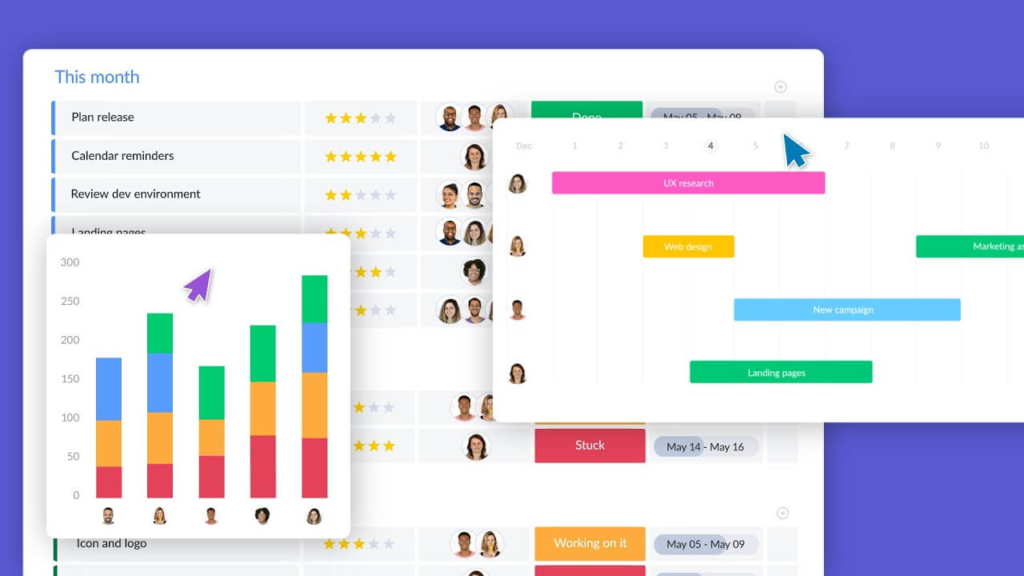
In contrast, smart taskboards present work in an organised, colour-coded layout. With drag-and-drop functionality, teams can move tasks between stages with ease. Instant updates ensure everyone sees the current status, deadlines, and priorities. This high level of visual clarity not only enhances understanding but also boosts decision-making. Team members immediately know what needs attention, who is responsible, and which tasks are falling behind, making daily workflows significantly smoother.
Seamless Collaboration Across Teamswith Smart TaskBoards
Furthermore, smart taskboards dramatically improve communication and teamwork. Traditional tools often force teams to rely on long email threads, constant check-ins, or separate messaging apps to stay updated. This creates inefficiencies and makes it difficult to maintain a single source of truth.
Smart taskboards integrate all collaboration features directly into the platform. Users can comment on tasks, share documents, upload evidence, tag team members, and follow progress all in one place. Because updates occur in real time, everyone stays aligned, reducing the chances of duplicated work or missed deadlines. This seamless interaction strengthens accountability, enhances coordination, and minimises delays across all departments.
Real-Time Automation and AI Enhancements
Another compelling reason why smart taskboards are replacing traditional project management tools is their ability to automate repetitive tasks. Traditional systems depend heavily on manual updates, which are time-consuming and prone to human error. Teams may struggle to keep task lists accurate, resulting in confusion, bottlenecks, and missed deadlines.
Smart taskboards, however, use automation and artificial intelligence to improve efficiency. Tasks can auto-update when certain conditions are met, reminders are triggered automatically, and potential risks are flagged early. Predictive analytics can even forecast project delays and help managers make smarter scheduling decisions. This automation ensures teams stay proactive rather than reactive, ultimately boosting productivity and saving countless hours previously spent on administrative work.
Smart TaskBoards are Ideal for Remote and Hybrid Workforces
Smart taskboards truly shine in remote and hybrid environments. As more organisations embrace flexible work arrangements, the need for tools that provide instant access and live updates becomes increasingly essential. Traditional project tools—designed for office-based teams—often fall short because they lack mobility, require local installations, or do not sync automatically.
As noted in HubSpot's breakdown of remote work tools, cloud-based taskboards ensure that every team member, regardless of location, sees the same information at the same time. Whether employees are working from home, in the office, or on the go, they can update tasks, join discussions, and track progress effortlessly. This accessibility supports teamwork, reduces miscommunication, and creates a unified workflow. It is no surprise that this remote-friendly capability is a major reason why smart taskboards are replacing traditional project management tools worldwide.
Cost-Effective and Scalable for Growing Teams
Equally important, smart taskboards offer excellent cost-effectiveness. Traditional tools often involve expensive licenses, complex installations, and ongoing maintenance costs. They may also require specialized training, which increases expenses and slows adoption.
Smart taskboards, however, are designed to scale easily. They typically operate on subscription models that grow with the organisation’s needs. Onboarding is simple, and most users learn the system quickly without extensive training. Businesses save money on IT support, software upgrades, and manual administrative labour. This affordability gives companies—especially small and medium-sized enterprises—a strong incentive to adopt smart taskboards instead of outdated systems.
The Future of Work Favors Smart Taskboards
Ultimately, why smart taskboards are replacing traditional project management tools comes down to their ability to support future-focused work environments. As digital transformation accelerates, businesses require tools that are dynamic, intelligent, and adaptable. They provide this flexibility by offering real-time insights, automation, collaboration features, and mobile accessibility.
They align with modern project management philosophies that emphasize transparency, agility, and continuous improvement. Companies that embrace them they gain a clear competitive advantage, as they can make quicker decisions, avoid bottlenecks, and deliver results more efficiently. In short, smart taskboards represent not just an upgrade but a necessary evolution in how teams plan, execute, and monitor work.
Conclusion
Smart taskboards represent the future of modern project management. As businesses continue shifting toward digital operations, remote work, and automation, traditional tools can no longer meet the demands of efficiency and real-time collaboration. They provide the visual clarity, automation, communication tools, and mobility needed to keep teams aligned and productive.
Their ability to scale, reduce costs, and adapt to any work environment is exactly why smart taskboards are replacing traditional project management tools across the world. Companies that embrace these modern solutions gain a strategic advantage—enabling faster decision-making, smoother workflows, and stronger performance.
If your organisation is still relying on outdated systems, now is the perfect time to transition to a smarter, more future-proof solution.
In today’s digital marketplace, rapid growth is both a blessing and a test for online retailers. As businesses expand, maintaining control, efficiency, and strategic alignment becomes complex. This is where Smart Product Boards in eCommerce step in as the ultimate solution for scaling without breaking. These intelligent, data-driven systems empower retailers to manage product lifecycles, team collaboration, and performance tracking — all in one central hub.
What Are Smart Product Boards in eCommerce?
At their core, Smart Product Boards in eCommerce are interactive, real-time management dashboards designed to streamline how teams handle product strategy, planning, and execution. Unlike static spreadsheets or outdated task lists, these boards use automation, analytics, and visual workflows to track everything — from idea to launch. They ensure that every product decision is data-backed and strategically aligned with business goals.
For instance, with these Product Boards in eCommerce, teams can easily visualize product timelines, monitor KPIs, and collaborate across departments, ensuring that scaling doesn’t lead to confusion or operational chaos.
The Role of Smart Product Boards in eCommerce Growth
One of the biggest pain points in scaling is managing multiple products, categories, and marketing strategies simultaneously. Smart Product Boards in eCommerce solve this by providing a unified view of performance data. They consolidate sales analytics, customer feedback, inventory updates, and promotional performance — giving managers actionable insights in real time.
This unified visibility eliminates guesswork, reduces duplication of efforts, and keeps every team member on the same page. Essentially, Product Boards in eCommerce turn scattered data into organized intelligence, enabling smarter, faster decisions.
How Data Shapes Better Decisions in Modern eCommerce
Today, Modern retailers no longer rely on intuition alone. Instead, with Smart Product Boards in eCommerce, every move — from pricing adjustments to product launches — is supported by concrete data. In addition, these boards integrate seamlessly with analytics tools, CRM systems, and inventory software, pulling data that matters most to your growth strategy.
Consequently, by using these insights, brands can predict demand spikes, identify underperforming products, and optimize pricing strategies. The result? A leaner, smarter, and more profitable eCommerce operation built on clarity and precision.
Collaboration Made Simple
Effective scaling, therefore, depends on teamwork, and with centralized boards, eCommerce teams can collaborate effortlessly. Specifically, they provide role-based access, allowing marketers, developers, product managers, and executives to work together without overlapping responsibilities. As a result, each member sees only what they need, reducing clutter and confusion.
Through comments, notifications, and version tracking, Smart Product Boards in eCommerce enhance communication and accountability across departments — thereby ensuring that no detail slips through the cracks.
How Smarter Systems Help eCommerce Teams Beat Burnout
Growth can quickly lead to burnout when teams juggle too many moving parts. Smart Product Boards in eCommerce alleviate this pressure by automating repetitive tasks and streamlining approval workflows. For example, product updates, supplier communication, and campaign rollouts can be pre-set through smart triggers.
This automation frees up teams to focus on innovation and strategy instead of manual administration, leading to healthier teams and more sustainable scaling, like my image down here.
Why Smart Product Boards in eCommerce Are the Backbone of Modern Retail
The reason why they are considered the backbone of modern online retail lies in their ability to combine visibility, automation, and collaboration into one ecosystem. In addition, they align business goals with daily operations, ensure consistency across touchpoints, and keep teams agile in a constantly evolving market.
Furthermore, as eCommerce continues to grow globally, these boards act as the glue holding complex operations together — thus making sure that as you scale, your structure doesn’t collapse under pressure.
The Future of Scaling with Smart Product Boards in eCommerce
Looking ahead, these product boards will continue to evolve as they integrate with artificial intelligence, predictive analytics, and real-time optimization. Consequently, Future iterations will help brands forecast market trends, automate product decisions, and offer personalized recommendations — thereby turning eCommerce management into a proactive, not reactive, process.
Brands that adopt Product Boards in eCommerce that are smart early will have a competitive edge — operating faster, smarter, and more strategically than those still managing growth manually.
Conclusion: Scale Smarter, Not Harder
In the fast-paced world of digital retail, however, scaling doesn’t have to mean breaking your systems or burning out your teams. By adopting Smart Product Boards in eCommerce, businesses can achieve sustainable growth, operational clarity, and long-term success.
Moreover, these intelligent platforms redefine how eCommerce brands grow — ensuring that every decision, from product planning to performance tracking, is guided by data, collaboration, and strategy.