In today’s fast-paced eCommerce world, manual product updates are more than just an inconvenience—they’re a silent profit killer. As businesses scale, relying on outdated spreadsheets or repetitive uploads can waste valuable time, reduce accuracy, and create costly errors. But the good news is that automation can completely transform how you manage your catalog—saving thousands while improving your workflow.
The Hidden Costs of Manual Product Updates
At first glance, manual product updates might seem manageable. However, as product lines grow, these repetitive tasks pile up quickly. Every time your team adjusts pricing, changes descriptions, or updates stock levels manually, you’re spending resources that could be better used elsewhere. Moreover, human error can lead to inconsistencies, lost sales, and poor customer experiences.
According to Shopify’s guide on eCommerce management, even small catalog mistakes can result in significant lost revenue. Therefore, the longer your team depends on manual processes, the more your profit margins shrink.
How Manual Updates Impact Team Productivity
Additionally, manual product updates don’t just cost money—they drain morale. Teams stuck in repetitive admin work have less time for strategy, innovation, or customer engagement. This lack of automation creates bottlenecks across departments, from marketing to inventory management.
In contrast, using automation tools enables seamless synchronization across channels. Platforms like BigCommerce’s automation solutions show that streamlined updates can improve speed, accuracy, and team satisfaction simultaneously.

Automation: The Smart Alternative
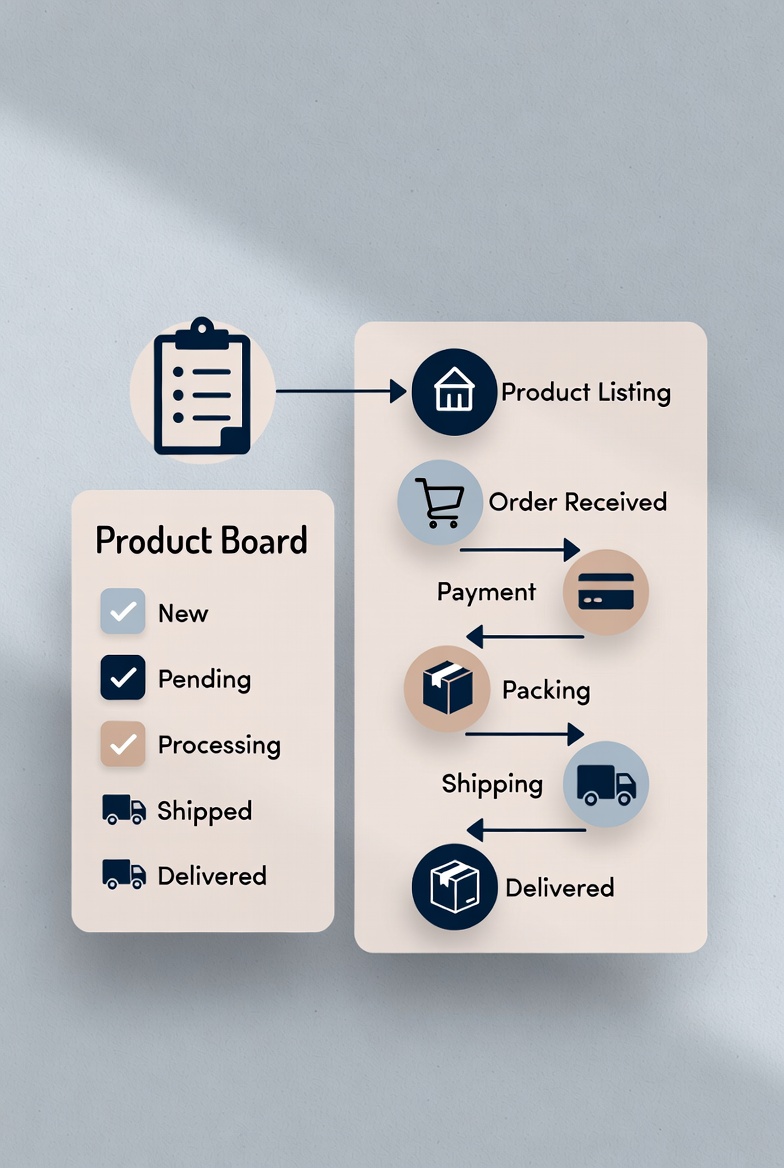
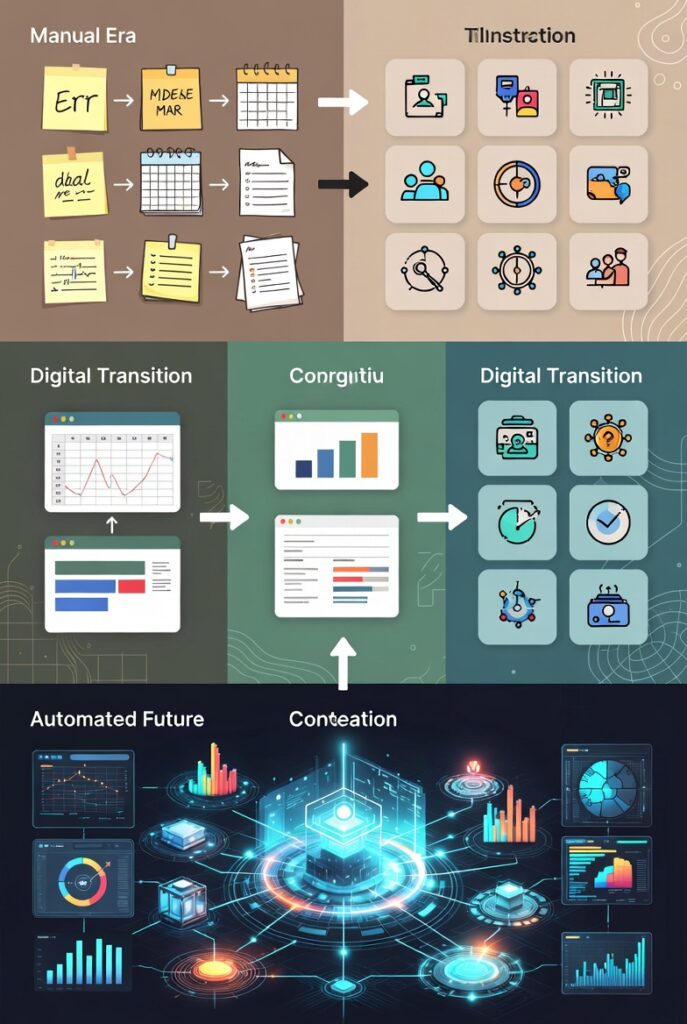
Fortunately, automation offers a practical and scalable solution. Instead of handling each update manually, eCommerce managers can use integrated product information systems or smart product boards to centralize and automate updates in real time.
By doing so, you ensure that every channel—whether it’s your website, Amazon, or social platforms—reflects accurate product data instantly. Even better, automated updates can reduce data-entry errors by over 70%, according to ProductPlan’s collaboration insights.
Furthermore, automation tools can be customized to trigger updates automatically whenever product information changes—eliminating repetitive manual entry altogether.
The Financial Impact of Automation
The numbers speak for themselves. Companies that switch from manual product updates to automation see significant savings in labor costs, operational errors, and time spent on maintenance.
In fact, research from Forrester highlights that automation can increase operational efficiency by up to 30%. Consequently, these improvements don’t just protect profits—they enhance scalability and customer trust.
How to Start Automating Your Product Updates
Transitioning away from manual product updates doesn’t have to be overwhelming. Start small by identifying repetitive tasks, such as inventory syncing or product detail adjustments. Then, adopt a centralized automation tool that integrates with your existing systems.
Moreover, train your team to manage and monitor automated workflows effectively. Over time, you’ll notice faster updates, fewer errors, and a noticeable boost in productivity.
As your business evolves, so will your automation capabilities—making your processes more efficient and your teams more empowered.
Conclusion: Manual Product Updates Are Holding You Back
In summary, manual product updates are an invisible drain on your eCommerce growth. However, by embracing automation, you can reclaim hours of productivity, improve data accuracy, and save thousands in operational costs.
The shift might seem challenging at first, but the long-term rewards—consistency, profitability, and team alignment—make it one of the smartest investments any eCommerce business can make.